Showing posts with label Venus. Show all posts

Monday, May 9, 2016

Cloudy Transit

Astronomers around the world today witnessed a relatively rare alignment of the planet Mercury and the Sun. Mercury passed directly in front of the Sun's disc in an event known as a transit.

Southern California normally has clear skies, but in the San Diego area May and June can be particularly cloudy as low clouds frequently blow in from the ocean. Locally it is known as "May Gray" and "June Gloom."

Today's transit of Mercury was mostly a victim of the May Gray from my vantage point at Palomar College (that's where I teach astronomy).

The event began before the Sun rose in California, making the first part invisible. The clouds blocked most of the rest of the view, but they did part a bit early in the morning.

The college's NS Building has a rooftop solar telescope and the photo below comes from it:
Photo by Tony Kopec
This image was taken with a hydrogen alpha filter that reveals some of the details just above the Sun's photosphere. Mercury is the small black dot.

Compare the view of Mercury above, with the pic below that I took during the June 2012 transit of Venus:
Different telescopes were used (the Venus transit photo was of a white light projection using my personal telescope), but it is easy to see that Venus (the big black circle) looks a whole lot bigger than Mercury does. This is because Venus is a whole lot bigger than Mercury is and also because Venus is significantly closer to Earth than Mercury is. The other spots on the Sun are sunspots.

If you missed today's transit, here's how it looked from NASA's Solar Dynamics Observatory:
The next Mercury transit event will be on November 11, 2019.

Saturday, February 6, 2016

Moon & Venus Rising

The Moon and Venus were nicely paired this morning before sunrise. Here's the view that I had of them from outside my front door:
And a closer shot of just the Moon:
Mercury, Mars, Saturn and Jupiter are all out in the morning sky right now, making it possible to see six planets at once (counting Earth too!). They are spread out across a large part of the sky, which makes it difficult to photograph, but a great sight to see in the morning sky if it's not too cold outside.

Saturday, November 7, 2015

Today's Moon and Planets

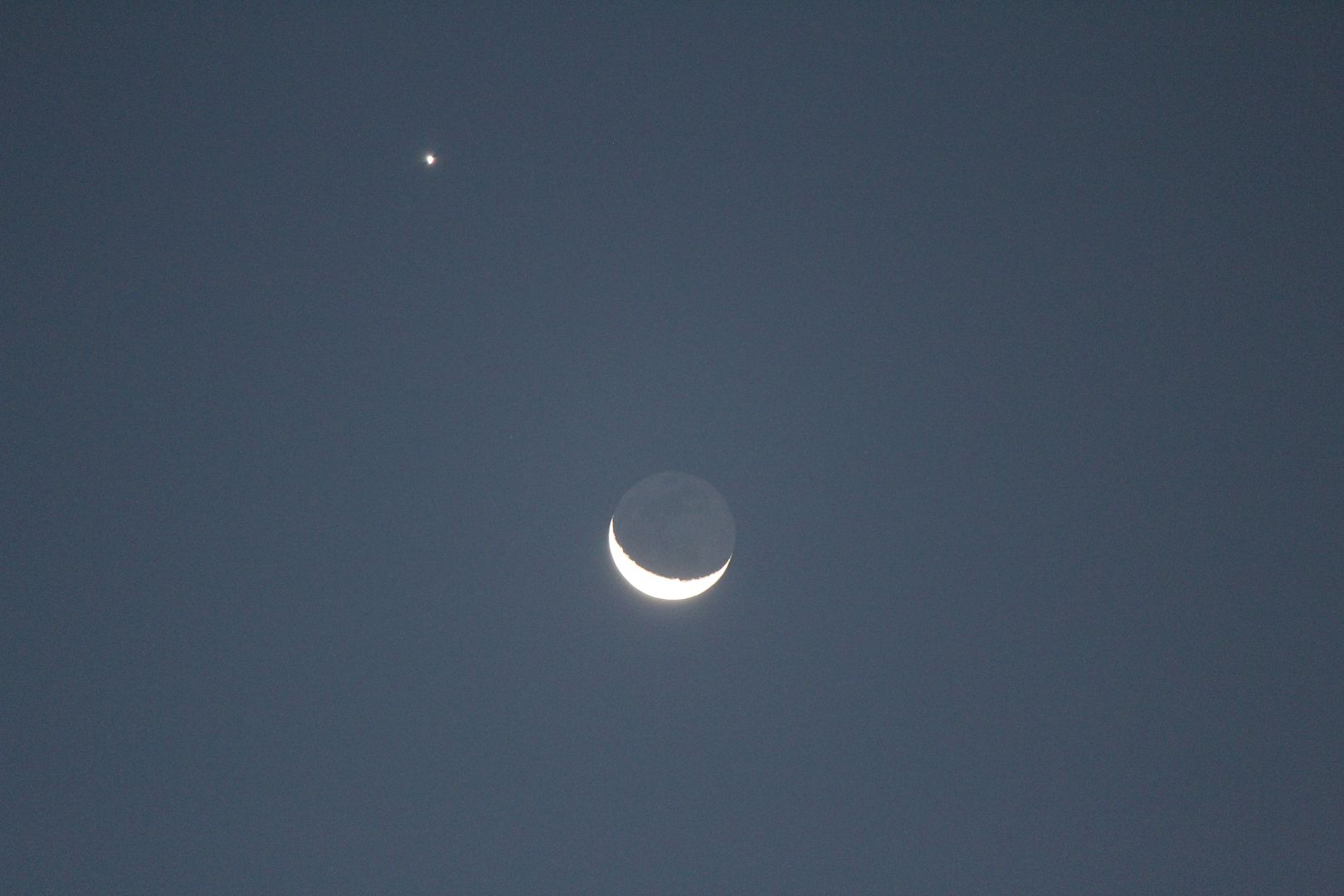
The planetary conjunction continues and the Moon was again a part of the show today. Here's how the Moon and Venus looked this morning:
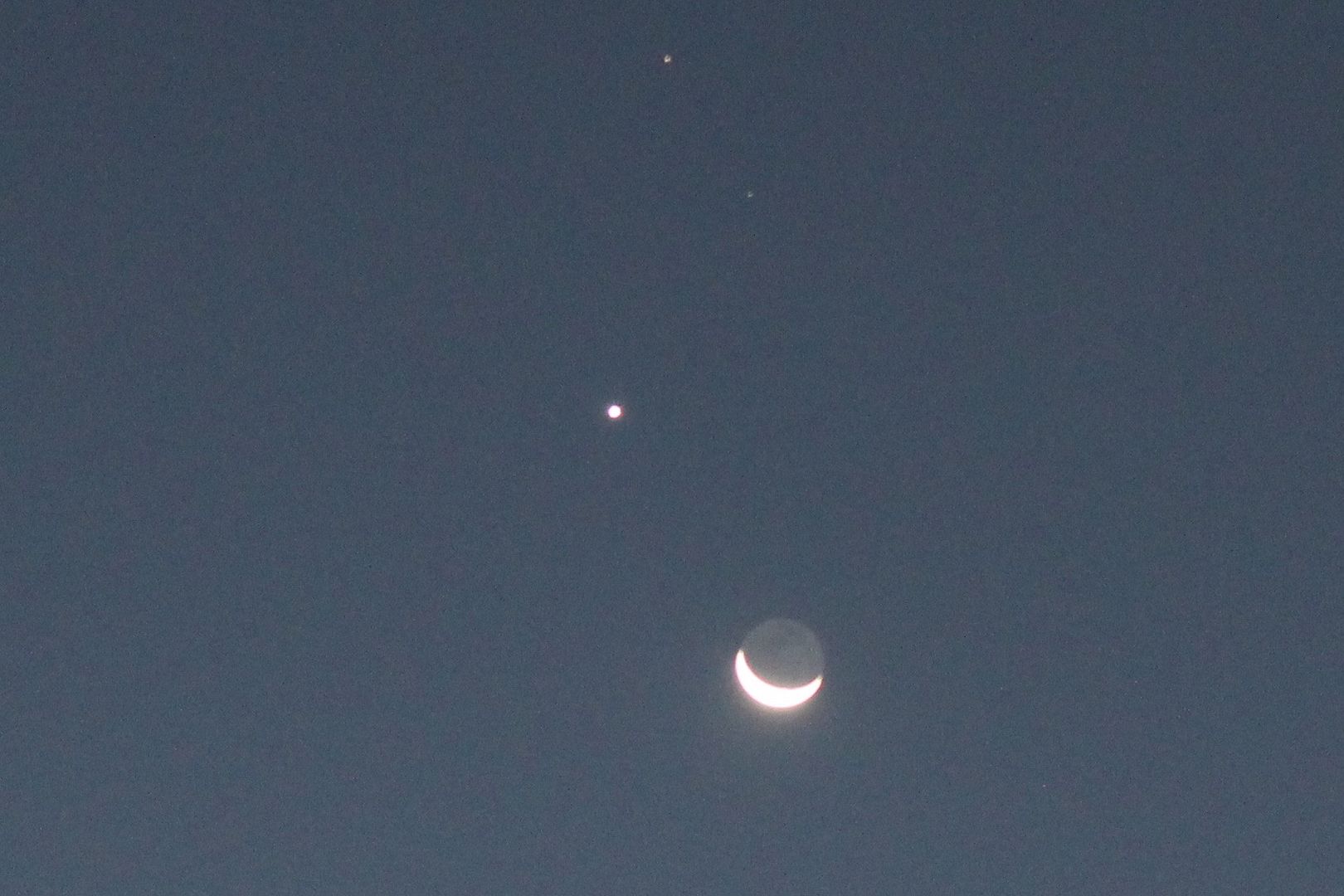
And here's a wider shot that also includes Mars (at the top):
Jupiter is still out there too, I just didn't capture a shot wide enough today to include it as well. The Moon will still be in the sky tomorrow morning, but will have moved away from the grouping of planets though.

Friday, November 6, 2015

The Moon with 3 Planets

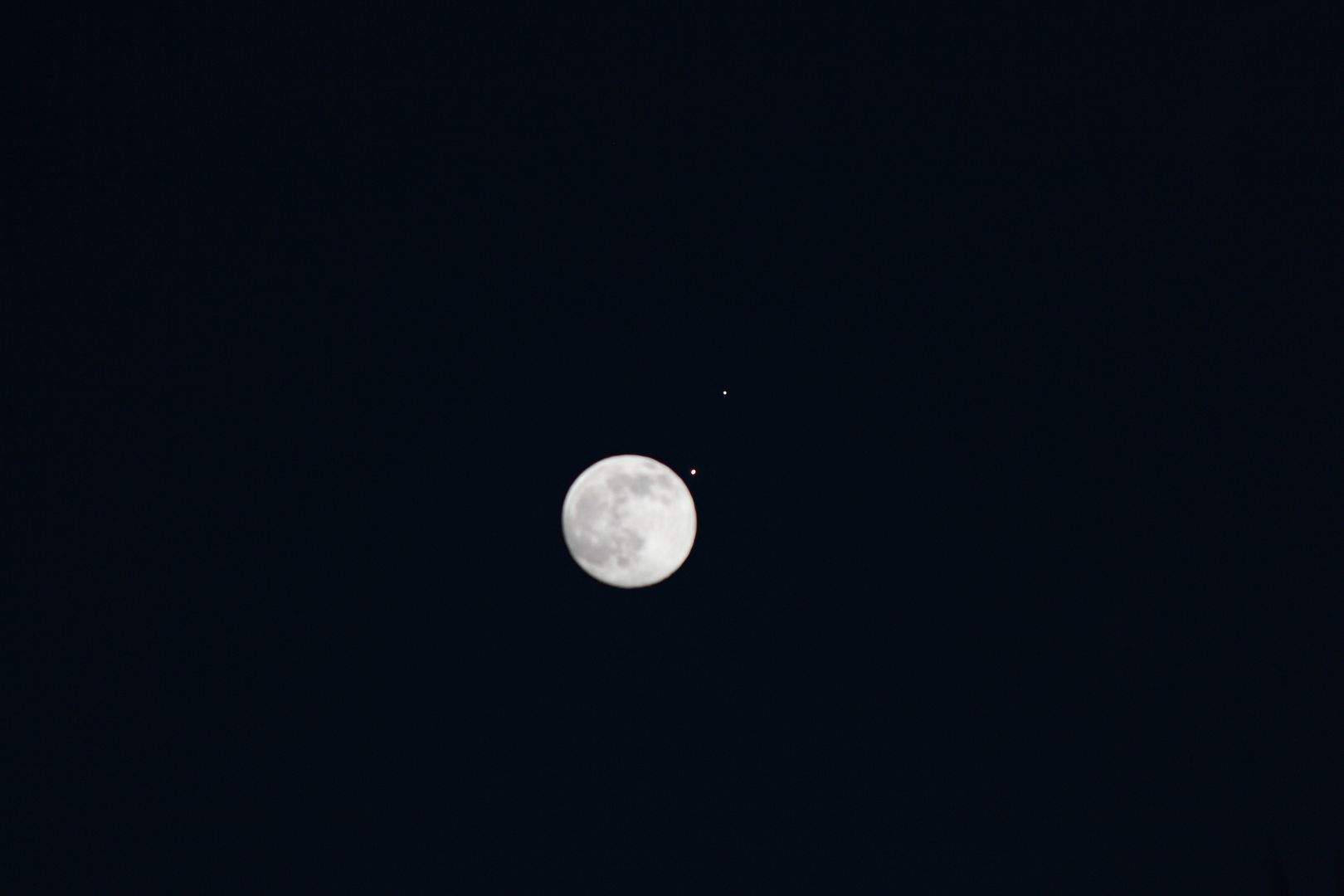
The planetary show continues in the predawn sky. This morning the Moon joined the conjunction of Venus, Mars and Jupiter. Here's how the crescent Moon looked alongside of Jupiter:
A wider view takes in the whole show:
Look for the Moon to be nearer to Venus tomorrow (Saturday) morning - a sight that's worth getting up early to see.

Monday, November 2, 2015

Mars & Venus: Side By Side

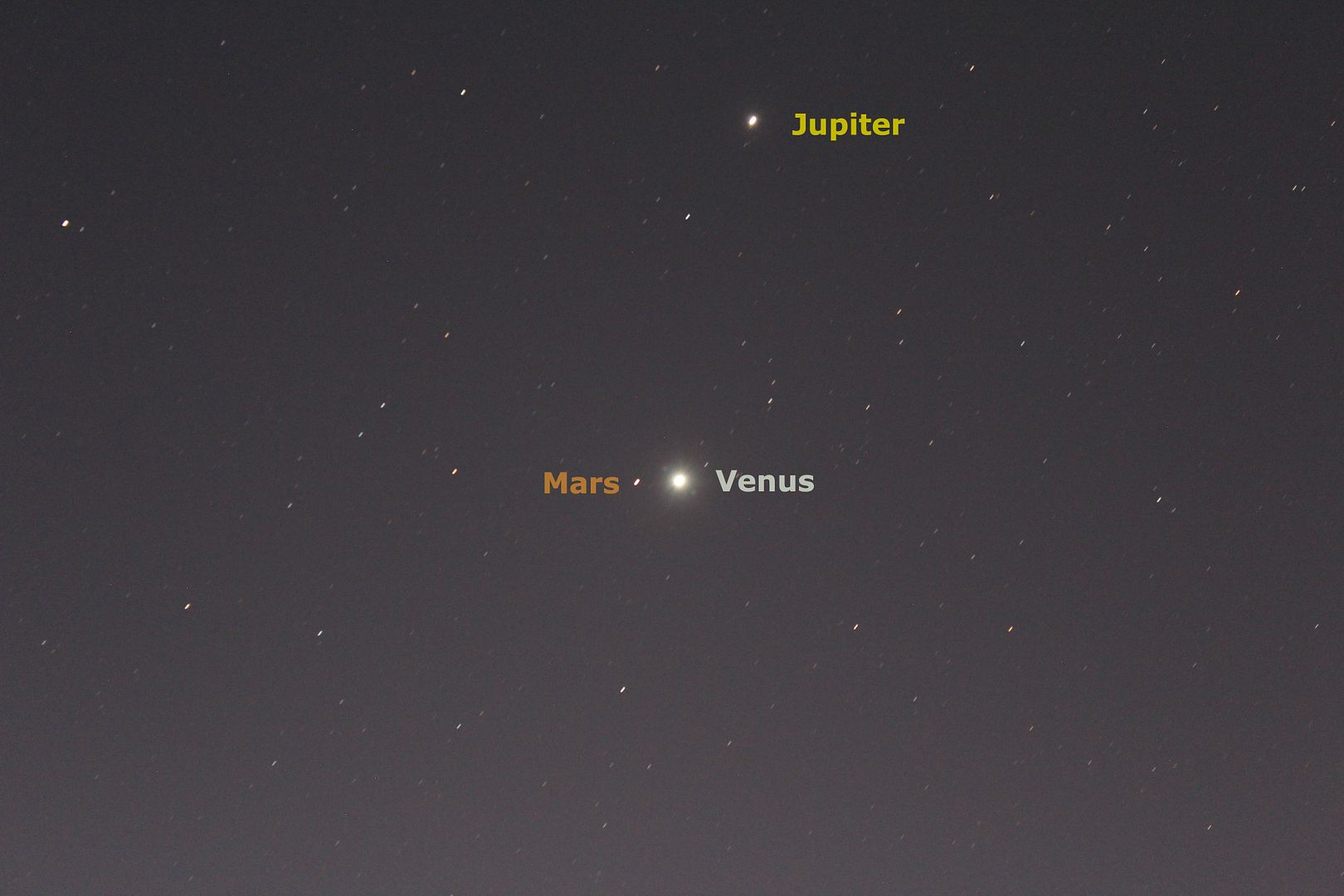
The pre-dawn planetary conjunction continues and Mars and Venus are now right next to each other in the sky:
It will be a great show for the rest of the week. Get out there and take a look.

Saturday, October 31, 2015

Planets, Unite!

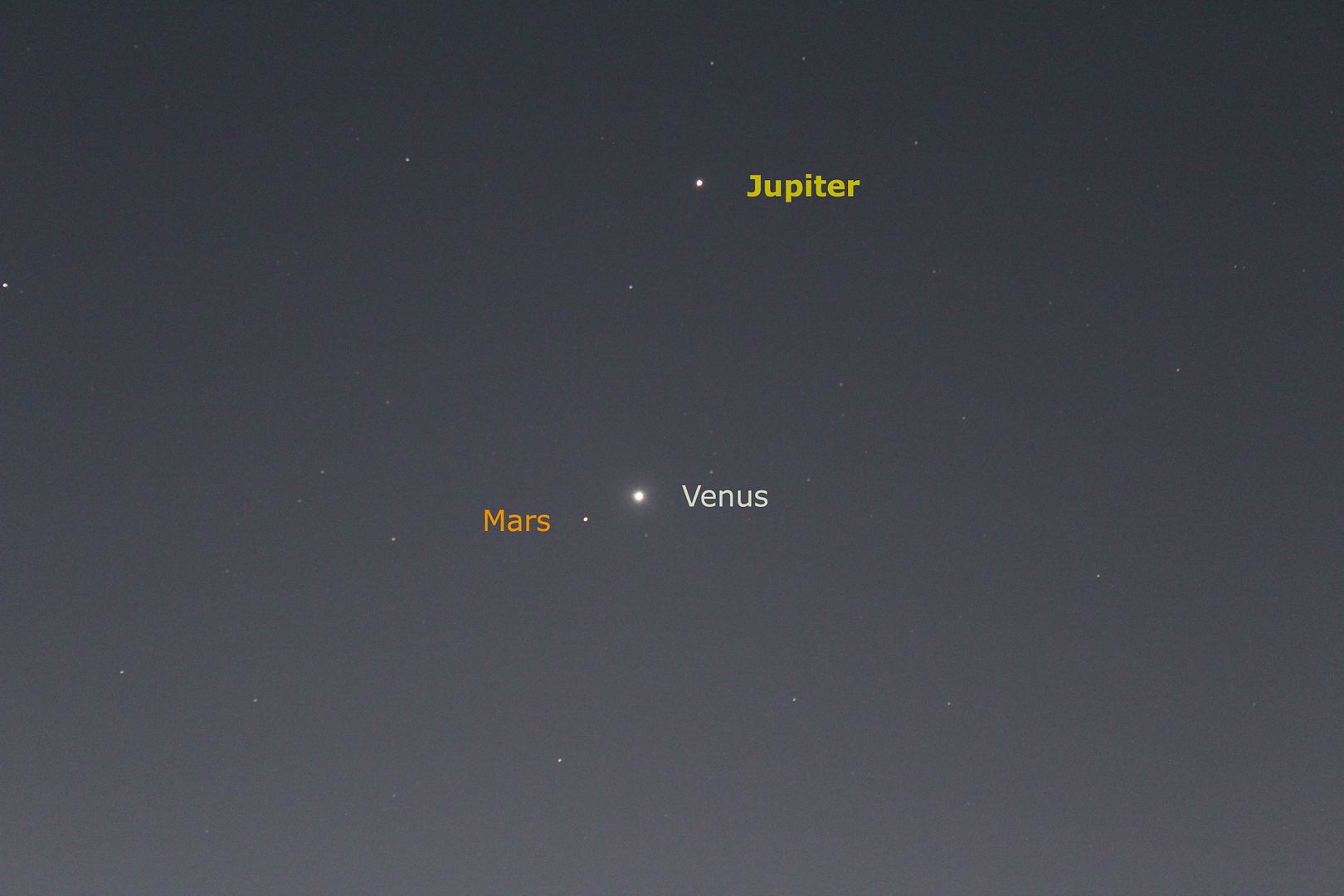
I've been waaaaaaaay too busy to see much of the recent conjunction of Venus, Jupiter & Mars, but I was able to catch them this morning from my new home.
Not a bad sight at all. If you haven't been up early to take in the sight, be sure to do so. A crescent moon will join them the mornings of November 6th & 7th - a sight not to be missed!

Saturday, July 18, 2015

More from Pluto & Last Night's Moon and Planets

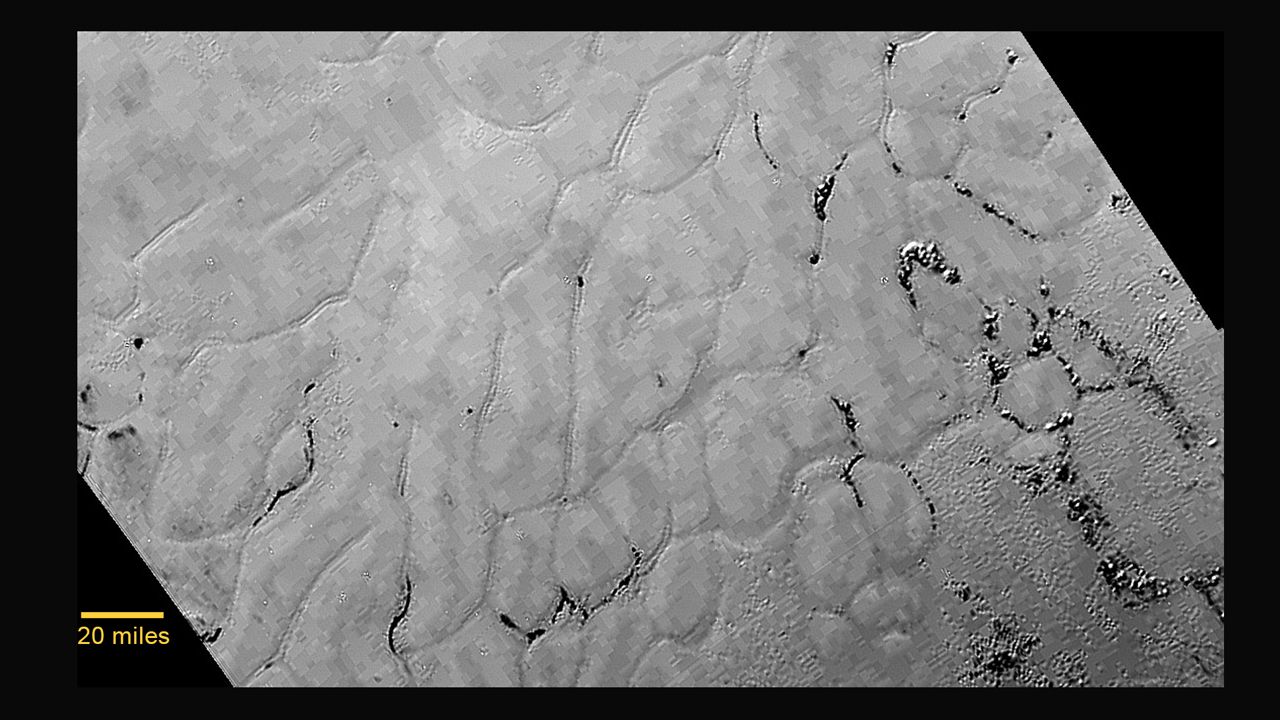
The early returns from the New Horizons flyby of Pluto have been amazing.
Only a tiny percentage of the data has been returned so far (it will be many months before it's all in), but Pluto is being revealed to be a remarkable world. The images so far indicate a nearly total lack of impact craters, suggesting that Pluto is an active world. There currently is much speculation as to what forms that activity takes (geysers, ice volcanoes, other things), but there's no consensus of any kind yet.

More images are expected to be released on July 24th, so stay tuned for them.

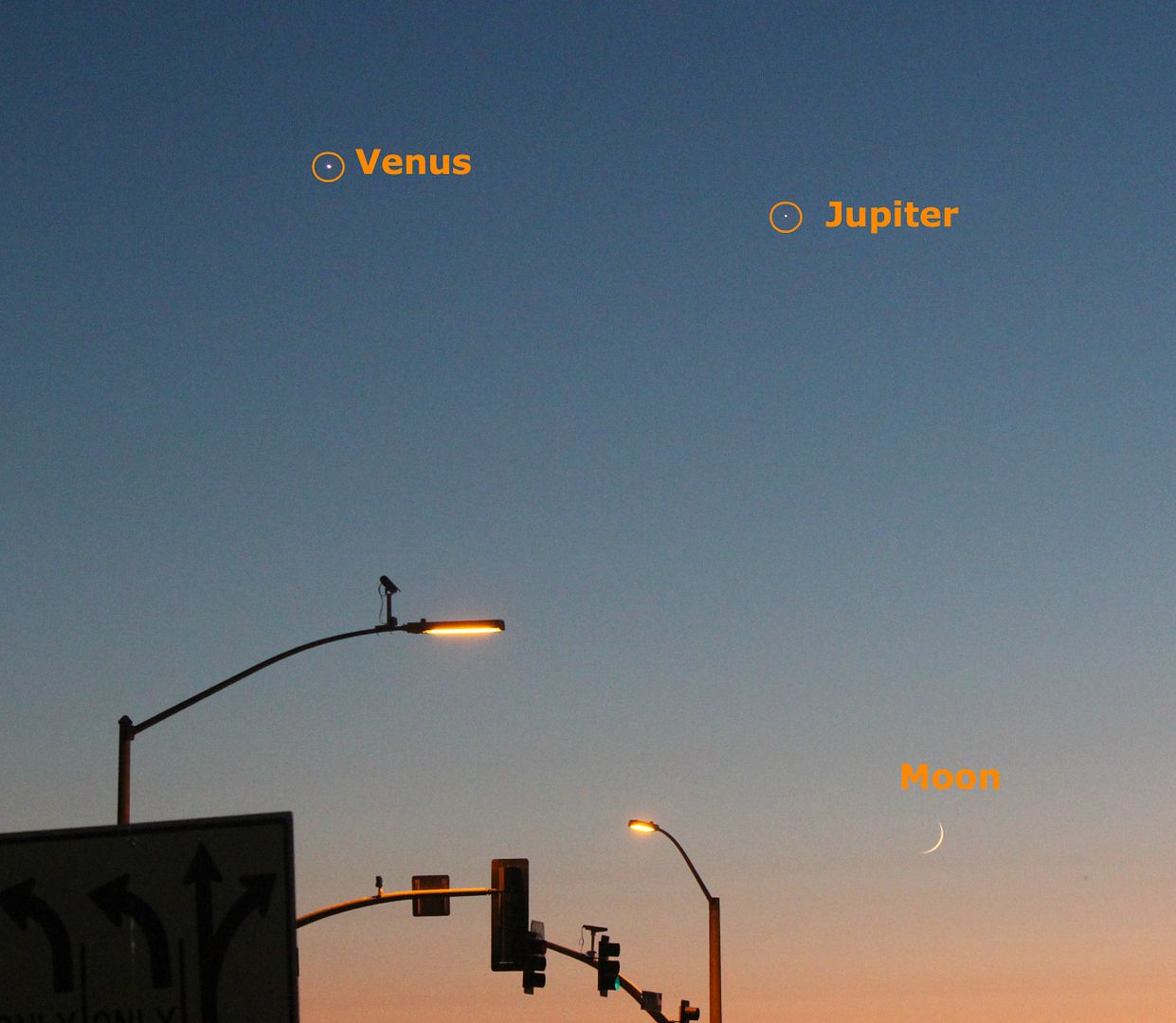
There's a planetary show of another kind still going on out west in the evening skies. Venus and Jupiter are still relatively close together and tonight (Saturday, July 18th) the moon will be especially close to Venus.
Here's how the scene looked last night, with the thin crescent moon well below Venus and Jupiter. By tonight the moon will have moved close to Venus and should look very nice. If you've got clear skies be sure to go out and look for them tonight as it gets dark.
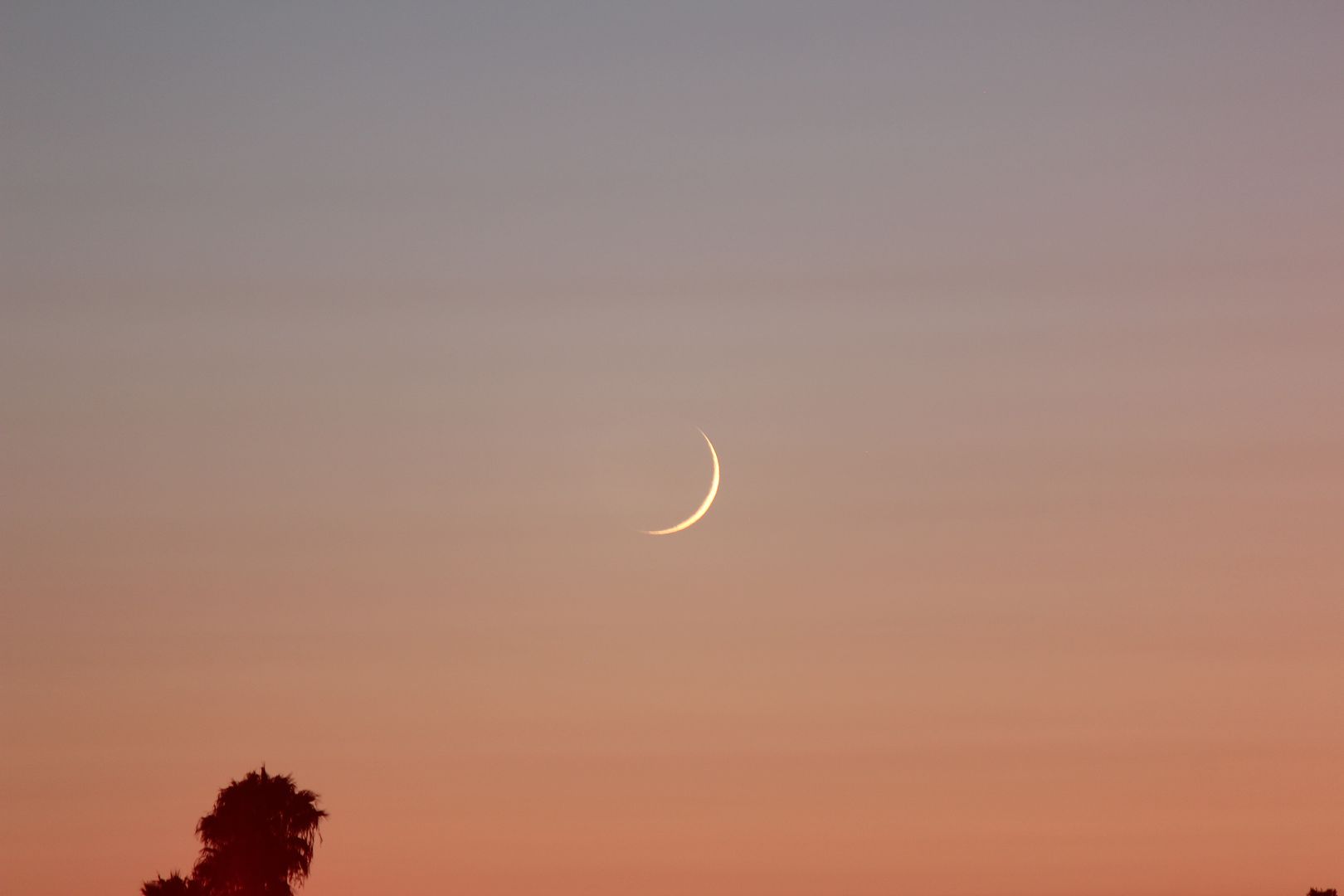
A closer look at last night's moon.

Tuesday, June 30, 2015

Conjunction!

Jupiter and Venus are at it again.
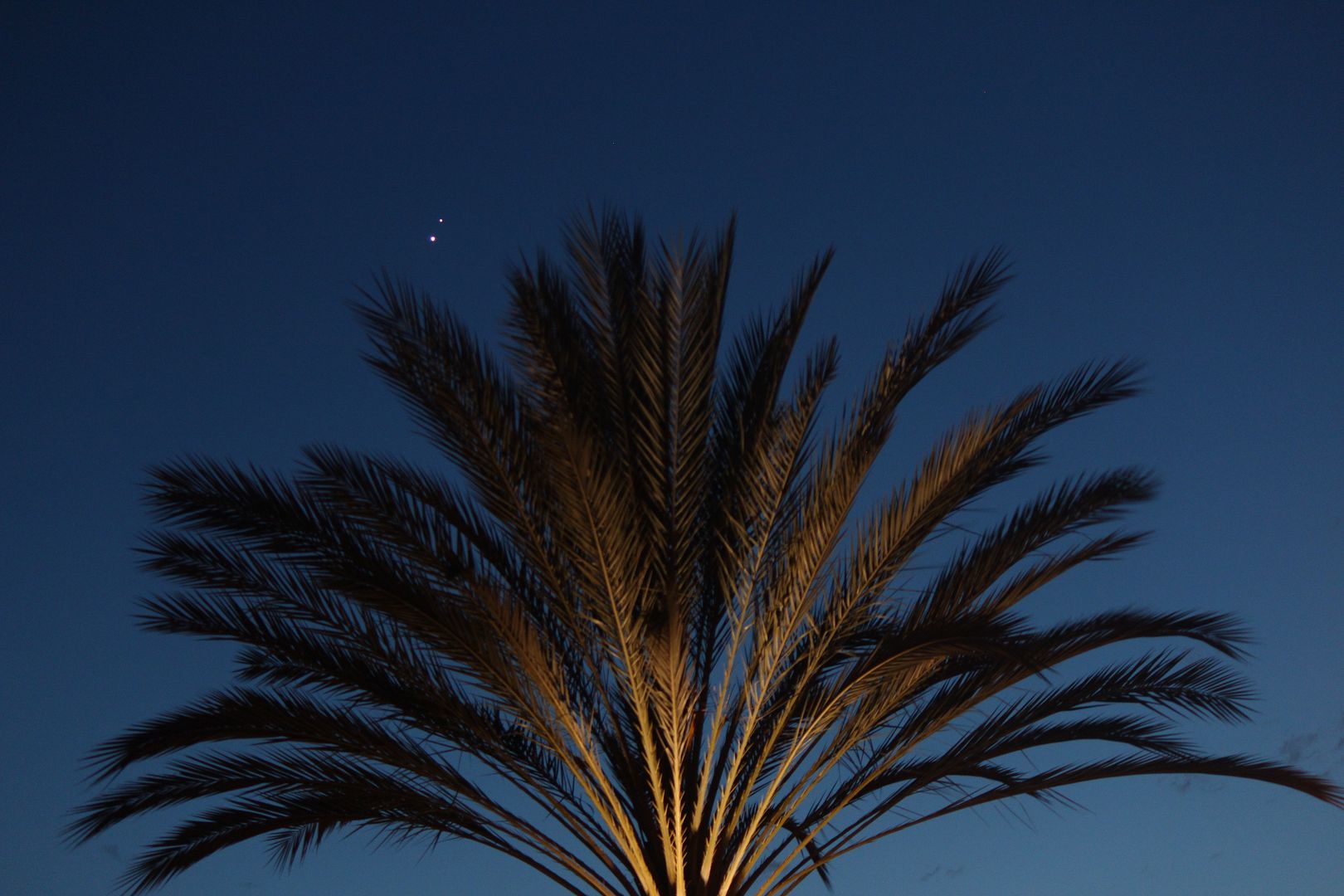
Tonight is their closest approach in our skies. I returned to the same palm as last night so as to take a comparison shot.
To give you a sense of just how close the two planets are together, I also took photos of moon and the planetary pair fully zoomed and then added the images together. Here's the result:
Because their brightnesses are so different the exposure for the moon was 1/10 that of the shot of Venus and Jupiter.

The planets will still be close for the next few evenings, but they are already pulling apart. Still, if you missed it tonight, it is still worth looking at.

Monday, June 29, 2015

Planets With Palm

I've been insanely busy of late (more on that likely in a future blog post), but not so busy as to prevent me from enjoying the conjunction of Jupiter and Venus. Here they are as seen tonight, poised above a palm tree located in San Marcos, California (my new home). Venus is the brighter of the two.

The planets will be even closer tomorrow evening (June 30). It is a special sight to see the two brightest planets so close together. Go out and take a look.

Thursday, April 9, 2015

Venus, the Seven Sisters and a Bright Iridium Flare

We've got beautiful spring weather and clear, moonless skies right now. The night sky always has something good to offer.
Right now brilliant Venus is the brightest thing in the western skies. It is currently making a close passage with the Pleiades star cluster (aka The Seven Sisters & M45) -- its the little group of stars to the upper right of Venus in the photo above.
This evening we also had a bright iridium flare visible, shining at magnitude -6.9. That's it above, gliding through the stars that make up the hindquarters of Leo, the lion.
Sunday, March 22, 2015

Moon & Venus: Together Again

The moon and Venus certainly made for a lovely pair this afternoon & evening.
Can you spot Venus in the daytime shot above? It's the dot over in the clear area on the right.
Once it started to get dark, the two put on a nice show, even through the cirrus clouds.

Saturday, February 21, 2015

Venus and Mars Are Alright Tonight

Venus and Mars have been putting on a fine show in the western sky after sunset. Last night the moon joined the planetary duo in, from the photos I've seen, a beautiful gathering. Alas, it was cloudy here in Tucson.

Tonight the moon had moved on but Venus and Mars were super close, just 0.4 of a degree apart in the sky. Alas, we had clouds again, but not quite enough to completely foil the view.
The Moon made its appearance first, largely hidden by the veil of the clouds. 
Occasionally, the clouds parted enough to let me almost get a clear shot at the moon. 
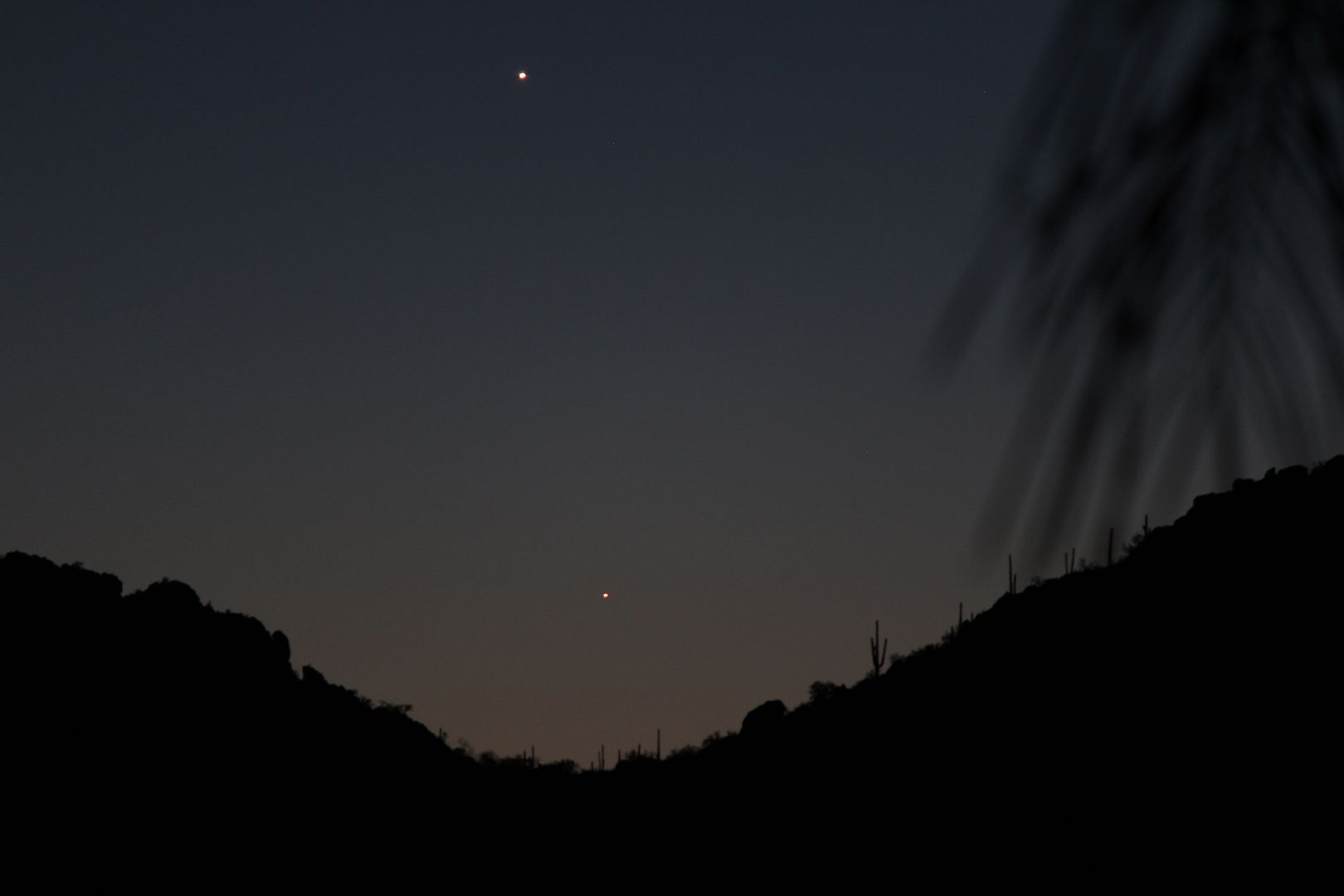
 For most of the evening Venus and Mars were completely obscured by the clouds, but as they got lower in the sky, they dropped below the cloud deck and popped into view. That's Venus on the left and much fainter Mars to the right. Venus is almost 100 times brighter than Mars. 

Why so bright? Three reasons - Venus is closer, larger and more reflective (it's surrounded by white clouds). 

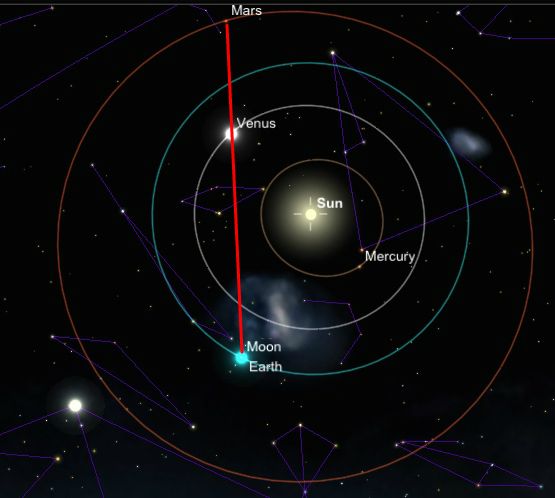
You might wonder how and inner planet (Venus) and an outer planet (Mars) could be so close together in the sky. At first thought it feels like one should look in different directions to see them, but that obviously wasn't the case tonight.
A screen grab (above) from the SkySafari app shows how this can be (I added the red line). Looking inward from Earth you can tell that, even though Mars is an outer planet, it is in essentially the same direction as Venus. Earth, Venus and Mars make a straight line. So, when we look from Earth, we see Venus and Mars close together. As the nights move on, they'll gradually move apart in the sky, with Mars gradually sinking lower into the west each night until it is eventually lost from view.

Wednesday, January 21, 2015

A Nice Sunrise & A Gathering of Worlds

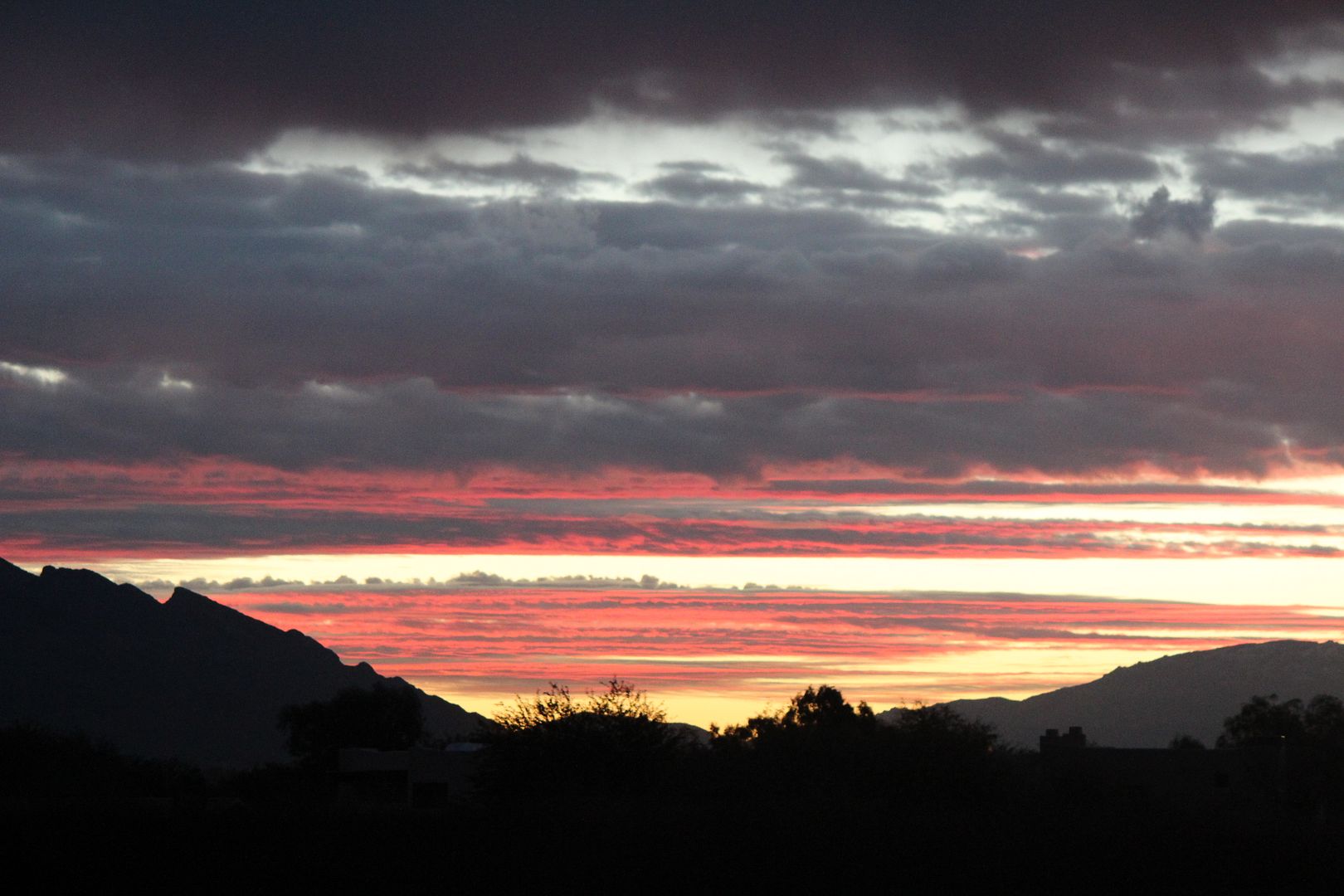
We had a pretty fantastic sunrise this morning. Alas, I had to drive to work during its peak. Still, it wasn't too bad beforehand.
The clouds were gone by sunset, opening up the sky for a nice gathering of Venus, Mercury and the Moon.
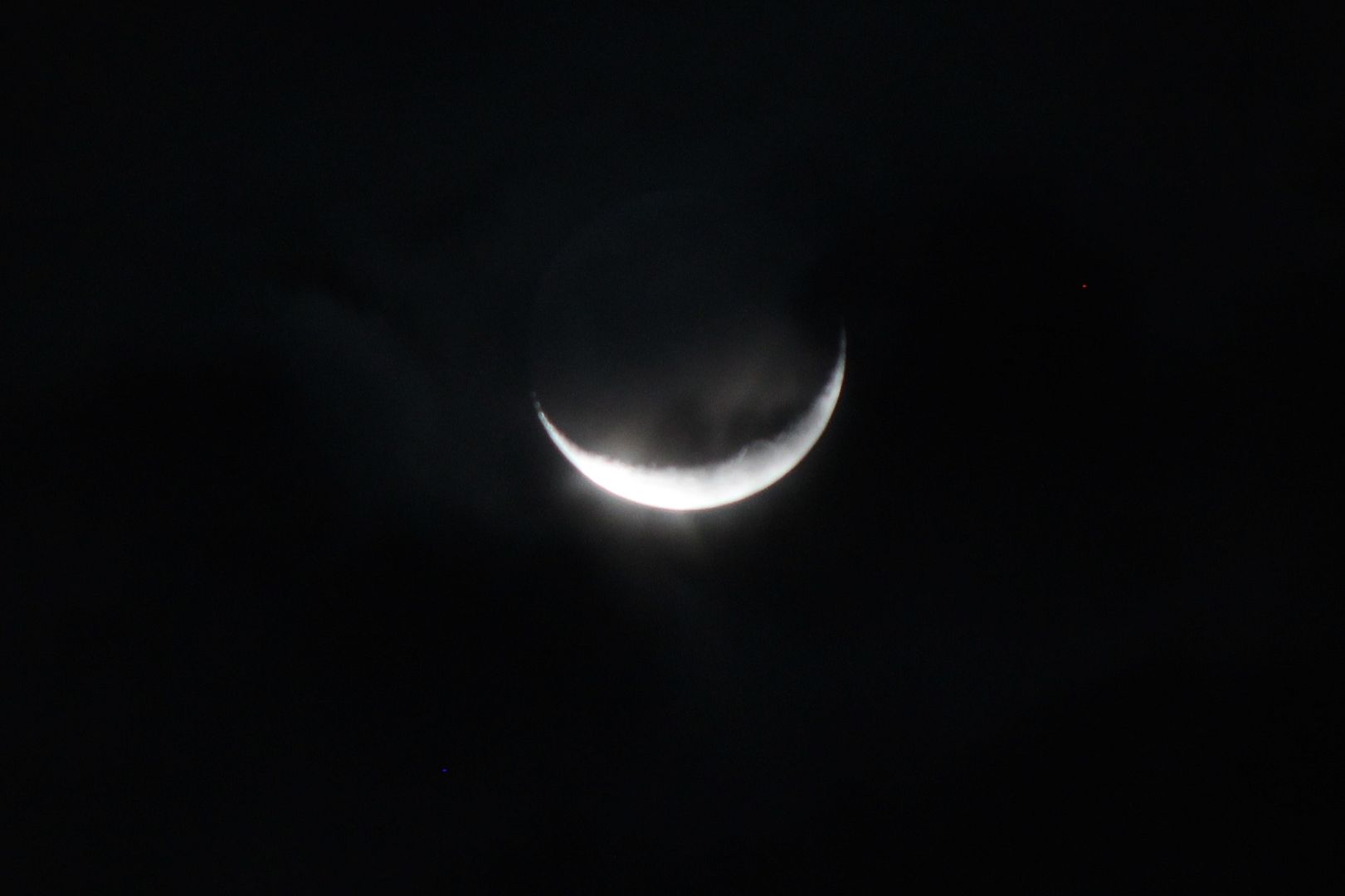
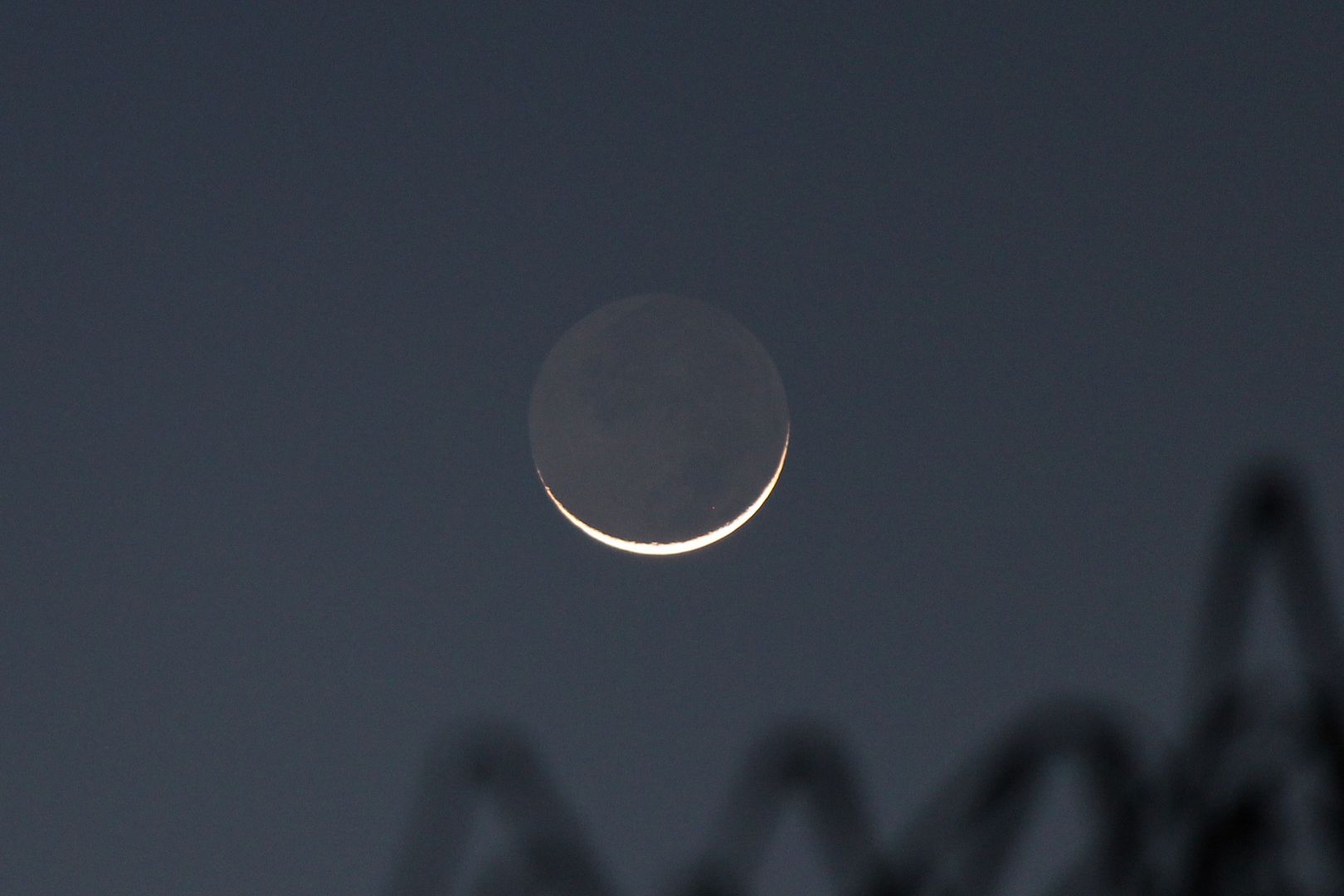
Alas, Mercury was lost in my neighbor's palm tree, but Venus (left) and the crescent moon looked pretty nice. Here's a closeup of the moon, with just a bit of earthshine visible.
Seeing them was a nice way to begin the evening.

Saturday, January 17, 2015

A Pair of Planets & a Comet are Rockin' the Winter Sky

If you've got clear skies, be sure to check out the continuing show that Venus & Mercury are putting on in the west just after sunset.  Here's a shot I took earlier this evening with my DSLR:
The crescent Moon will appear with these planets on January 21. The gathering of worlds should look pretty sweet.

Comet Lovejoy continues to slowly swing past the Pleiades (aka The Seven Sisters) star cluster. Here's how the looked just a short while ago:
Yeah, it's the blue-green dot under its name. It has changed it's position quite a bit since the photo I posted three nights ago. The comet is almost directly overhear now once the sky is fully dark in the evening. It has got a tail, but don't expect to see it visually. The Moon will start to ruin the view in about a week, so get out there and take a look.

Here's a link on how to spot if for yourself. You'll also see some spectacular images of the comet there this link has even more great comet pics.

Jupiter is in the sky too, being the brightest "star" in the eastern sky. This giant is best enjoyed when viewed through a telescope.  

Wednesday, January 14, 2015

Comet Lovejoy!

The clouds in southern Arizona have finally cleared and this evening I got a nice look at Comet Lovejoy.
Here's a 10 second shot taken with a 55mm lens showing the Pleiades (aka the Seven Sisters) star cluster (upper left), Comet  Lovejoy (greenish blob just below center) and the streak of a faint satellite (lower middle).

The comet is bright enough to be seen without optical aide from moderately dark skies, but an easy target with binoculars. It's not spectacular, but very nice and well worth look at. 
Venus and Mercury are still together in the evening sky. This isn't the best shot, but here they are with the fainter star Theta Capricorni makiing a triangle between them.

Monday, January 12, 2015

Dodging Clouds With Mercury & Venus

After more than a week of travel and clouds, this evening I finally got another look at the conjunction of Venus and Mercury.
Their closest approach was a few nights ago on Saturday, which I was sort of able to see while driving, but tonight was my first night at home with skies clear enough to see them. As you can see in the two photos I posted, there were clouds, but thankfully enough clear skies for the planets to be seen. 
No so for the comet. The weather hasn't given me a look at Comet Lovejoy since the moon was in the sky. If you've got clear skies you should make the effort to see it before the moon returns to the evening sky. Details are here.

Saturday, January 3, 2015

Two Planets, the Moon and a Comet

There's a lot to see in the evening sky right now. Here are a few shots that I took this evening with my DSLR camera.
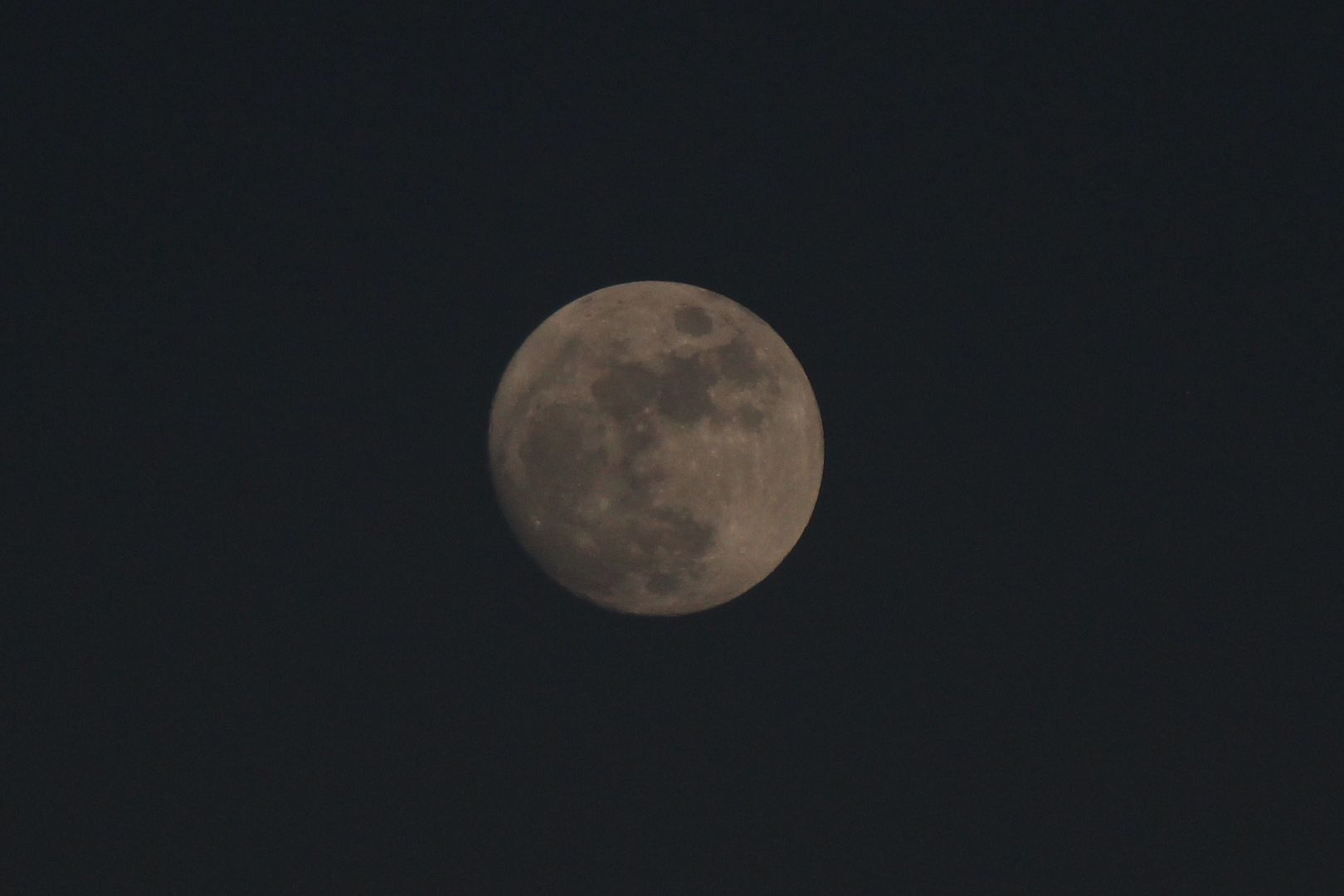
As long as your weather is clear you can't miss the nearly full moon, but the other objects are a bit harder to catch.
Venus and Mercury are making a nice pairing in the western sky. Look for them as soon as it gets dark. Venus is higher and brighter and is quite easy to see. Mercury is lower and dimmer. You'll need to look for it before it sets for the night. They'll be getting closer together over the course of the next week. Take a look from night to night and you'll be able to see them pull together.
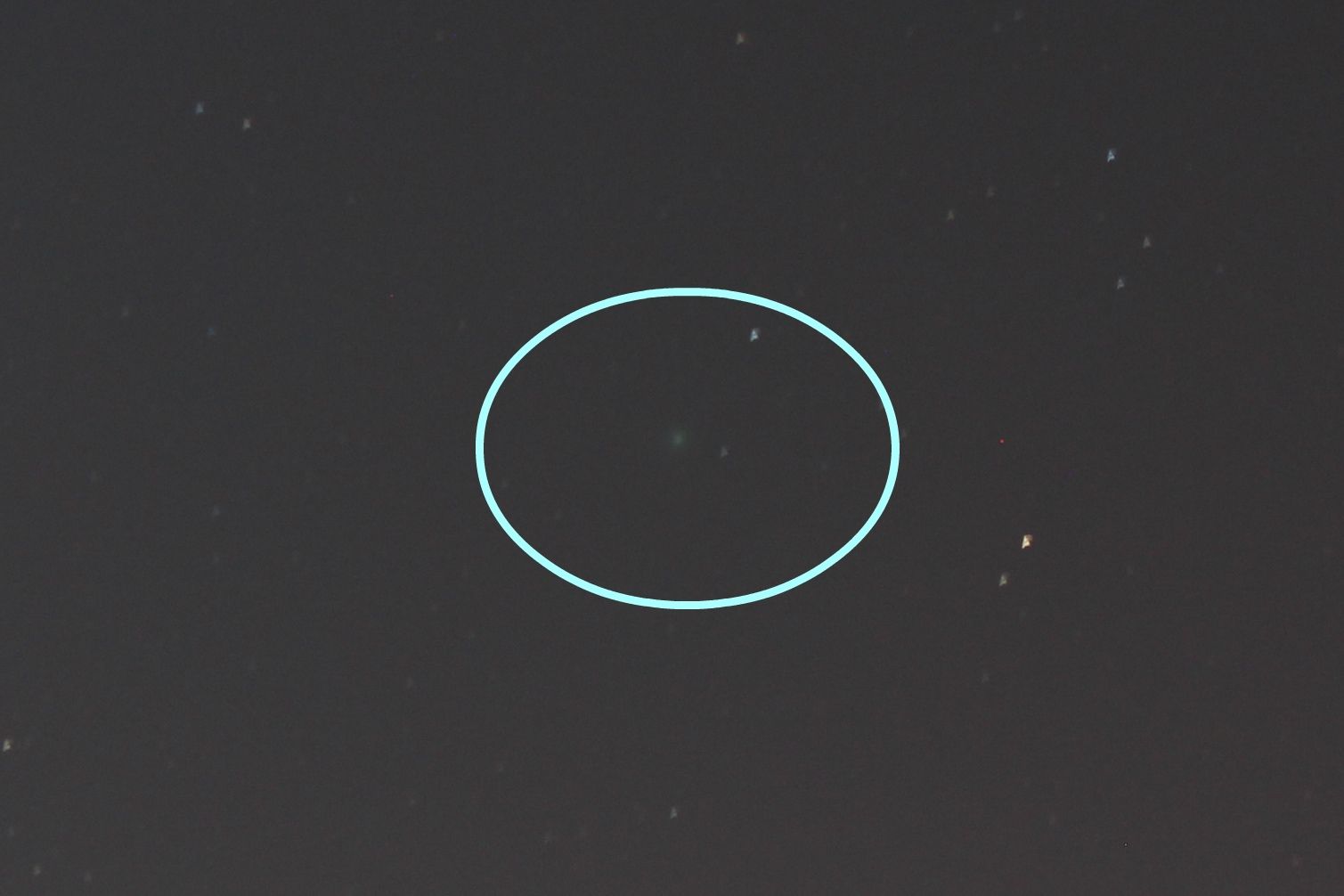
We've also got a comet in the evening sky right now too. Can you spot it in the photo above? Yeah, it doesn't leap out at you, but it is there.
This shot is cropped from the one above and Comet Lovejoy is the fuzzy spot in the oval. Even with a bright moon in the sky it isn't too hard to catch. Binoculars will help, but so will waiting a few nights. By Wednesday the comet will be a bit brighter and the glow of the moon will be out of the early evening sky. Look mid to later this week and it will be easier to find. You can get more info on Comet Lovejoy and a finder chart here.

Thursday, March 27, 2014

The Moon and Venus: Together again

In case you missed it, here is this morning's view of the Moon and Venus.
Seeing them paired together in the sky like that makes for a nice way to start the day.

Wednesday, February 26, 2014

A Nice Pair

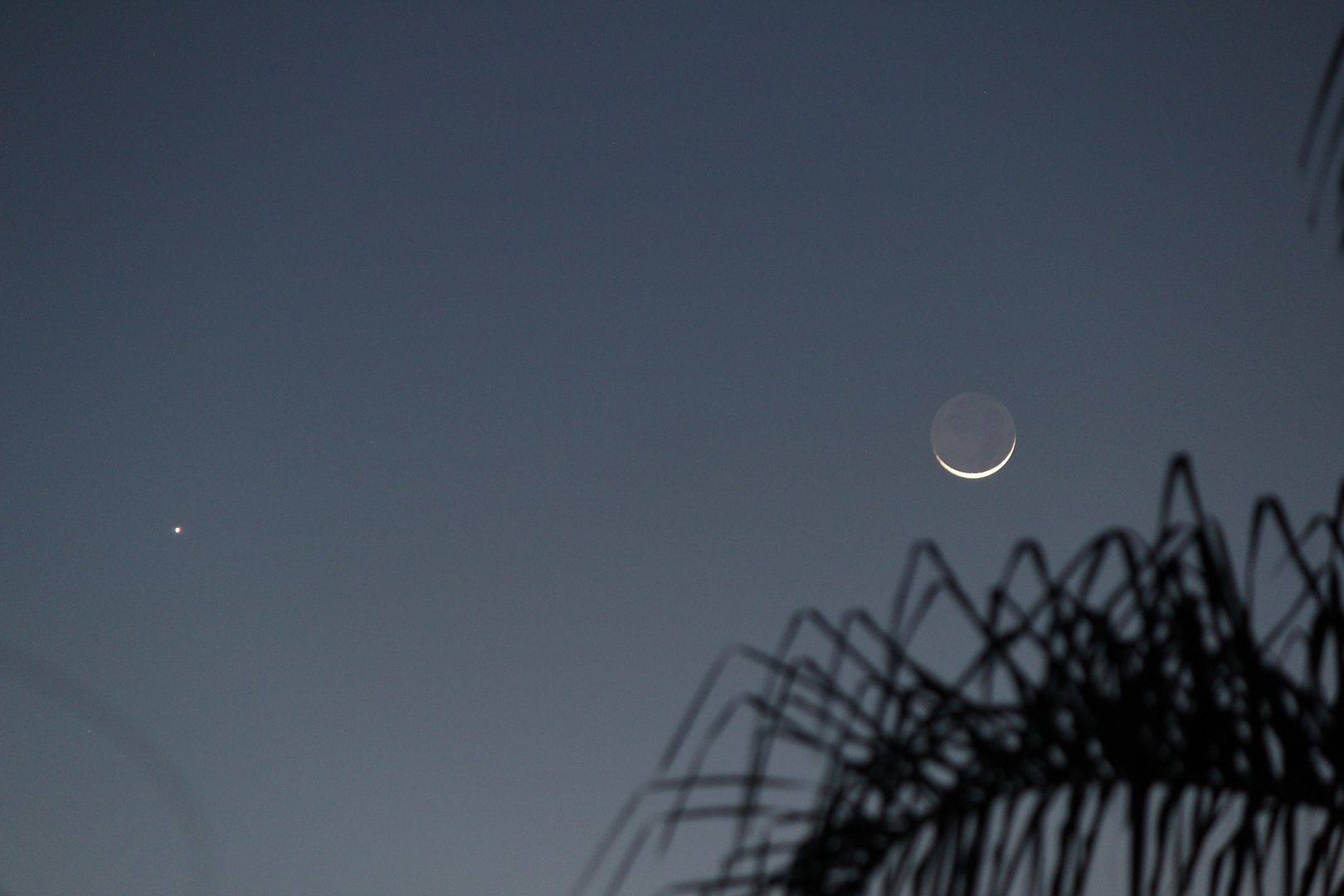
In case you missed it this morning, the Moon and Venus were nicely paired together - an event astronomers call a conjunction. Here's how the view looked from my back yard:
 Several hours earlier, before they became visible in Arizona, the Moon passed directly in front of Venus. Observers in Africa, India & parts of Asia would have been able to see the event.