Showing posts with label moon. Show all posts

Wednesday, December 18, 2024

The Sun and the Moon in Motion and Jupiter too!

 This fall I have been on a sabbatical from my teaching and focusing on lots and lots of backyard astronomy. 

One of my early observing goals was to capture the Sun every day for an extended period to show its rotation. I was able to image it every day for 17 consecutive days - from August 20th through September 5th. I then aligned the images to produce this animation showing the Sun's rotation:

A time-lapse of images of the Sun showing its rotation as sunspots appear on the left side and then rotate out of view on the right.

Another interesting way to look at this is to add the images together, which produces this:

A telescopic image of the Sun showing sunspots arranged in stripes on either side of the Sun's equator.

This nicely shows that sunspots occur in parallel stripes on either side of the Sun's equator.

I have also been able to shoot the Moon on consecutive nights to show its changing phases and the effect of lunar libration (a kind of tilting and rocking). Here's how the Moon looked from October 7th through the 15th, as it went from a waxing crescent to nearly full:

Telescopic images of the Moon showing its changing phases from a waxing crescent to nearly full.

You should be able to see that the Moon looks to be somewhat growing in size - not just the amount illuminated by the Sun, but larger. This is because the Moon's orbit is not a perfect circle and over the nights I shot these the Moon was moving towards Earth.

And then after a few nights of clouds I was able to capture the Moon again from October 18th through the 27th, showing it moving through its waning phases:

Again, I think you can also see here that the Moon appears to be getting smaller. That was because it was moving away from Earth in its orbit.

I don't usually have the opportunity to stay up late (or get up early) enough to shoot the waning phases, so this was a treat.

I had another stretch of clear nights again in November and I was able to capture the Moon from November 6th through the 14th as it moved from a waxing crescent to full.


Finally, here's Jupiter and its moon Europa as they looked the night of December 14th.

This is about an hour and 20 minutes of motion showing Jupiter's Great Red Spot rotating out of view to the right, along with other cloud features in Jupiter's atmosphere. Europa is the spot of light to the left of Jupiter.


Friday, October 20, 2023

Solar Eclipse!

On October 14, 2023 along a line from Oregon through Texas there was an annular eclipse. The rest of the continental U.S. got to see a nice partial solar eclipse. 

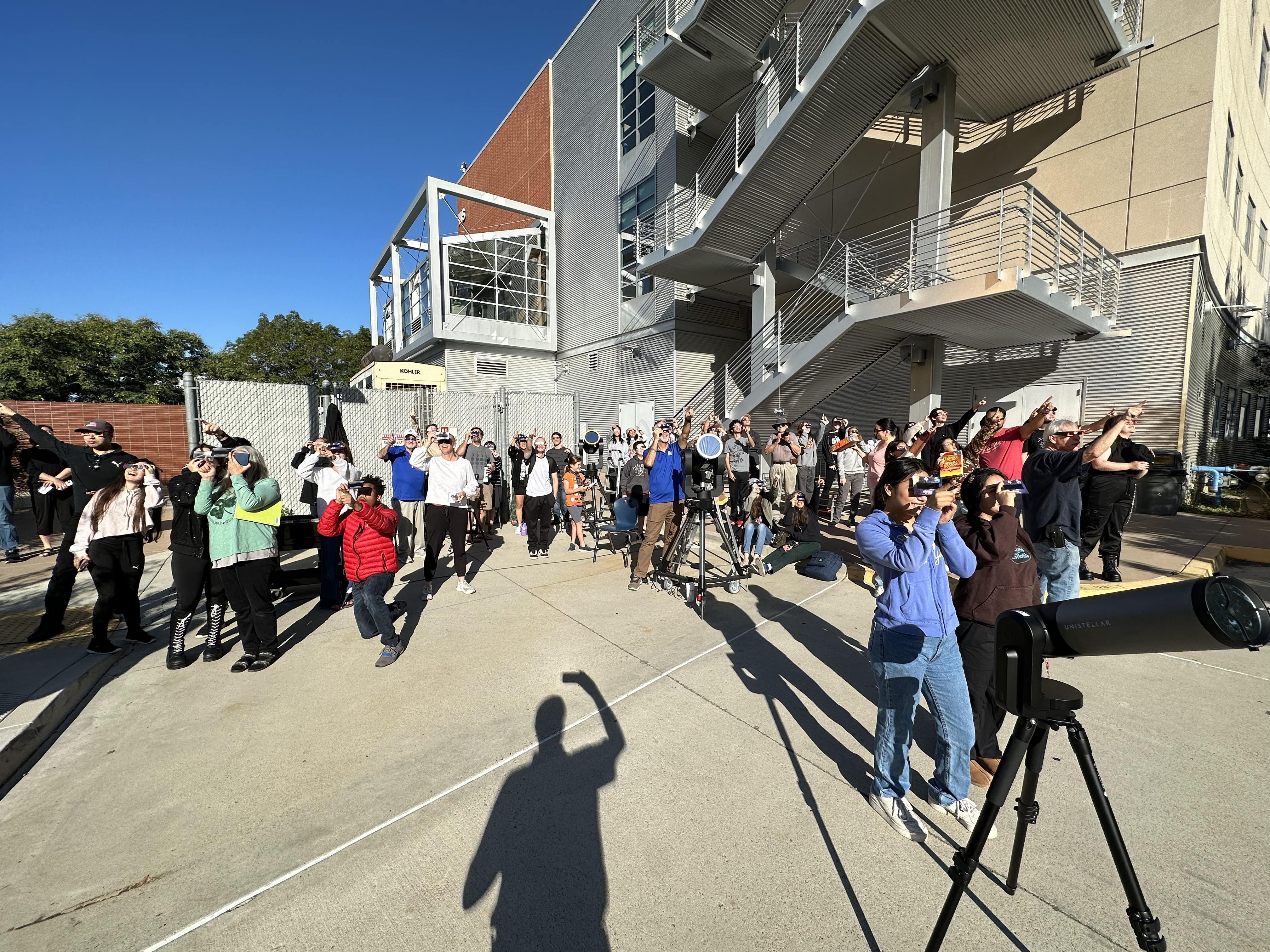
I observed the partial eclipse along with about 50 others at Palomar College where I teach astronomy.

The eclipse crowd at Palomar College (that's my shadow in front)

As you can see from the photo above we had perfect weather and the eclipse did not disappoint. 

Here's a photo taken when the Moon had maximum coverage over the Sun from our vantage point:

Image captured using a Unistellar eQuinox 2 telescope

Thanks to the dedication of Palomar student Tomas Chester we were able to capture a time-lapse video of the entire event. Here's what it looked like: 

About two weeks before the eclipse I learned of a very cool outreach tool that helps to make eclipse viewing safe and fun - a disco ball. (See the paper: Why every observatory needs a disco ball). I immediately purchased a disco ball and set it up on the day of the event.

Above left is a standard disco ball. Each of the mirrors acts like a pinhole camera and reflects an image of the sun. The image on the right shows many images of the partially eclipsed Sun projected by the disco ball during the eclipse. It was very popular with our crowd and gave an almost magical view of the event. I highly recommend using a disco ball for every eclipse outreach event.

This eclipse was sort of a preview for an even better one - a total solar eclipse that will take place on April 8, 2024. Weather permitting it will be visible along a path from Mexico, up through central Texas and up toward the northeast U.S. and into Canada. I plan on observing that one and I will bring my disco ball with me.

Sunday, September 25, 2016

Flying Around the Moon

I'm teaching a course this fall on the geology of our solar system. It's my first time teaching it so I've been spending a lot of time looking at imagery of the planets and their moons. We live in an amazing age where there are spacecraft that are currently investigating Saturn, Jupiter, Mars, a comet (until later this week, that is), an asteroid, and our Moon. In addition to all the missions that are happening now, there's a tremendous legacy of imagery from older spacecraft, including fabulous images from the Apollo missions to the Moon.

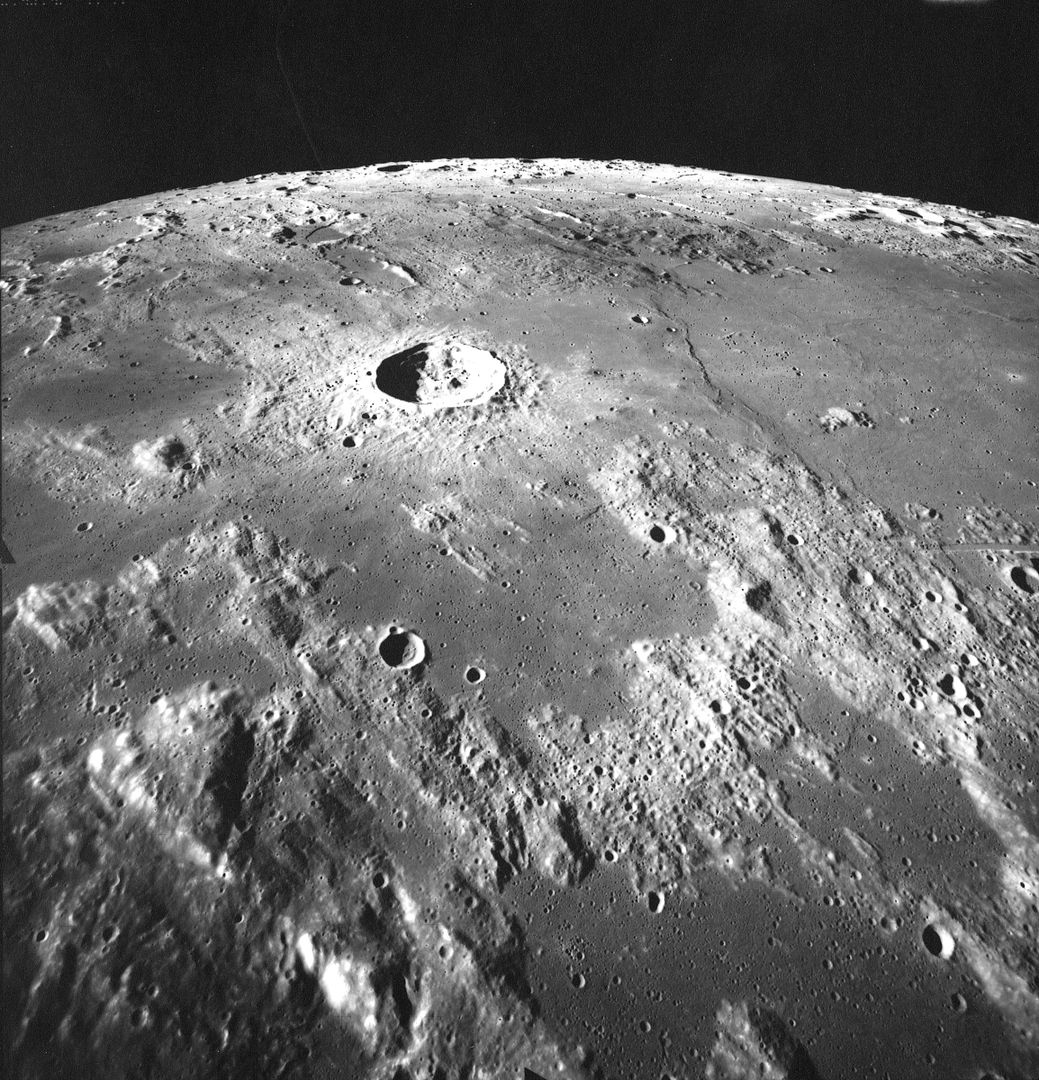
I've just begun to scratch the surface of the thousands of images in the Apollo Image Atlas. This afternoon I was looking at just two orbits of images captured in 1972 by Apollo 17's Mapping (aka Metric) Camera. The camera was located in the Command Service Module's instrument bay and returned images like this one that looked at the Moon's horizon:

This shot was captured during Apollo 17's 36th orbit about the Moon. Thankfully, the website contains maps that show which way the various images are orientated. That's the nearside crater Manilius near the center above and Mare Vaporum (the Sea of Vapors) is the smooth, dark area to its right. Names aside, it is a starkly beautiful view of the Moon.

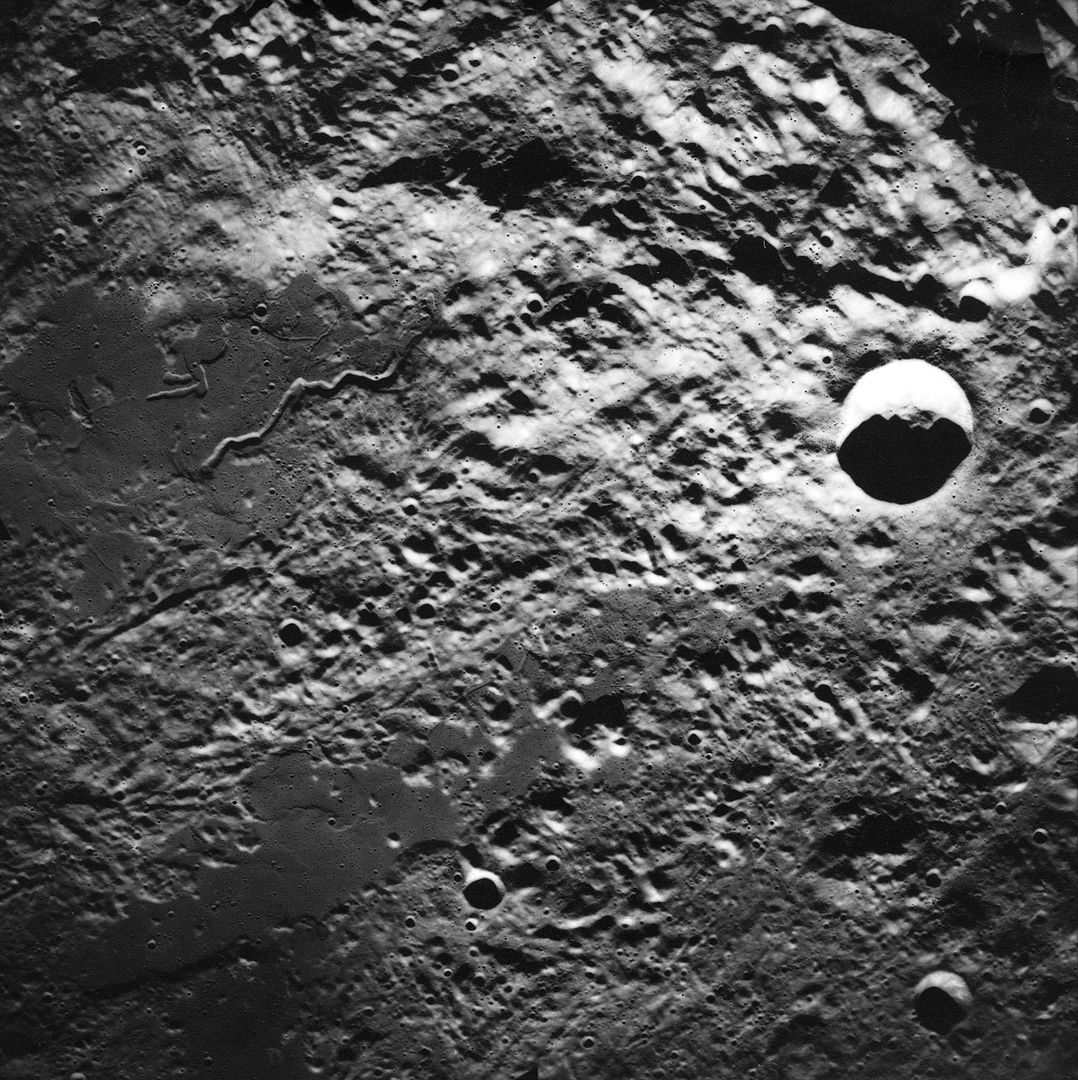
The mapping cameras also took images pointed directly downward. Here's a shot from orbit 38:

This shot contains a curvy rille at left, a prominent crater at right and mountains throughout that are on the edge of the Sea of Serenity. It is an area that's not too far from where the first photo I posted was taken.

I decided to take the images that I downloaded and turn them into two short movies, which I have posted below.

Watching them is not that same as flying to the Moon, but it is an amazing view.

Saturday, August 6, 2016

Alien Moons

I gave a talk, Alien Moons of the Solar System, last night at Wavelength Brewing Company. You can watch it here:

Sunday, June 12, 2016

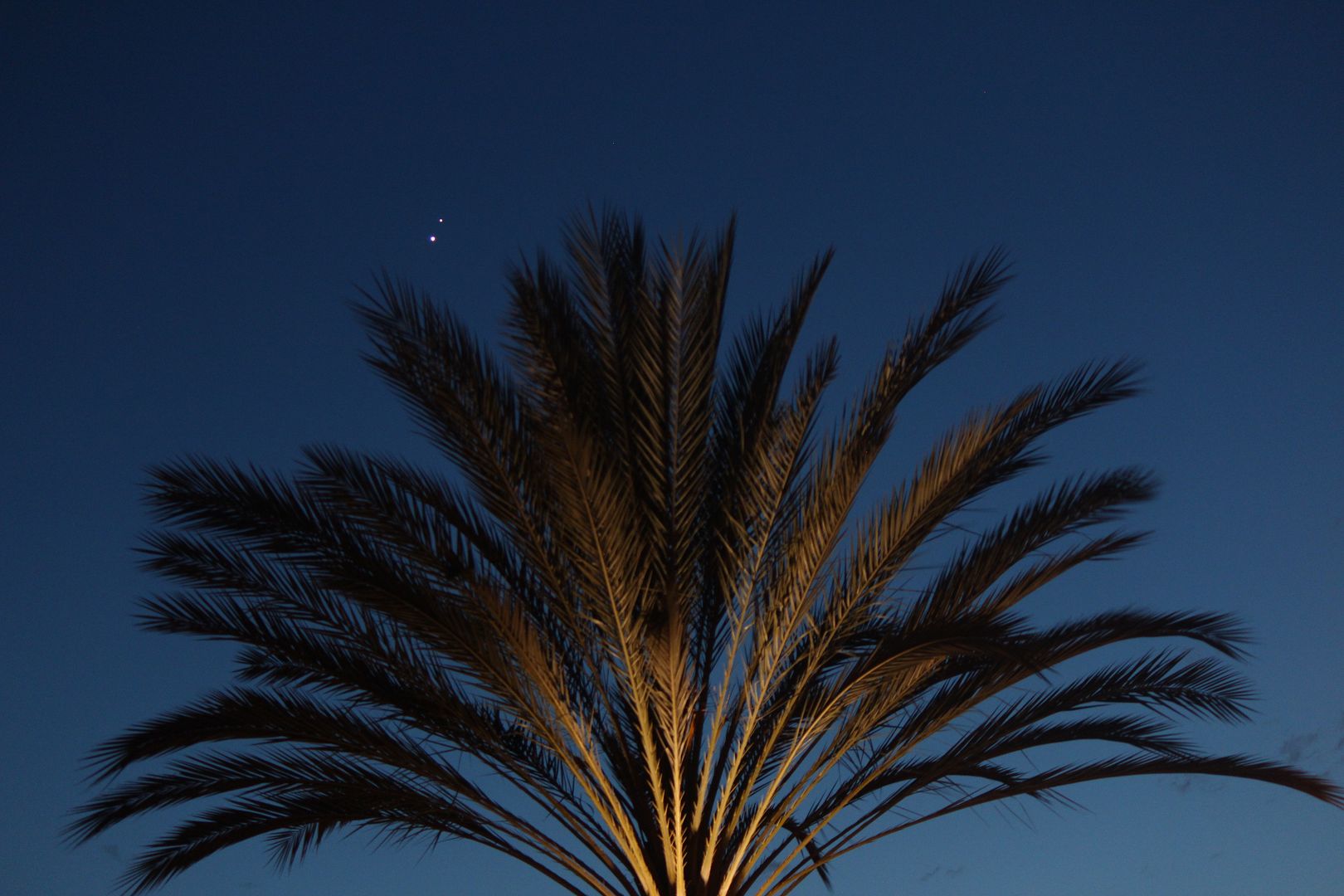
Jupiter, Pine Tree & Moon

Here's how Jupiter (at top) and the Moon looked Friday night from my back yard as they sort of framed a pine tree:
The Moon was on the other side of Jupiter last night, but clouds blocked the view.

Saturday, February 6, 2016

Moon & Venus Rising

The Moon and Venus were nicely paired this morning before sunrise. Here's the view that I had of them from outside my front door:
And a closer shot of just the Moon:
Mercury, Mars, Saturn and Jupiter are all out in the morning sky right now, making it possible to see six planets at once (counting Earth too!). They are spread out across a large part of the sky, which makes it difficult to photograph, but a great sight to see in the morning sky if it's not too cold outside.

Sunday, January 17, 2016

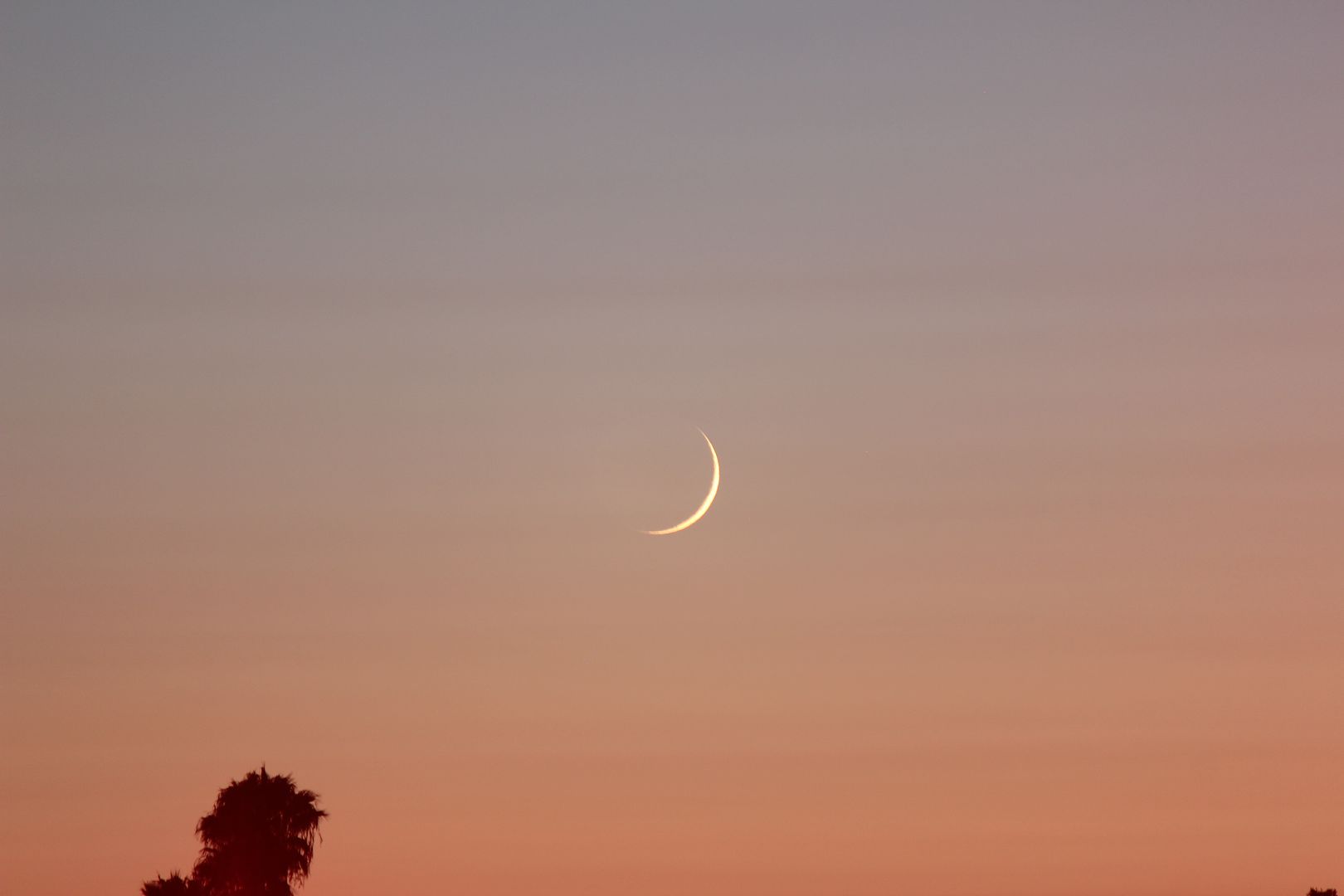
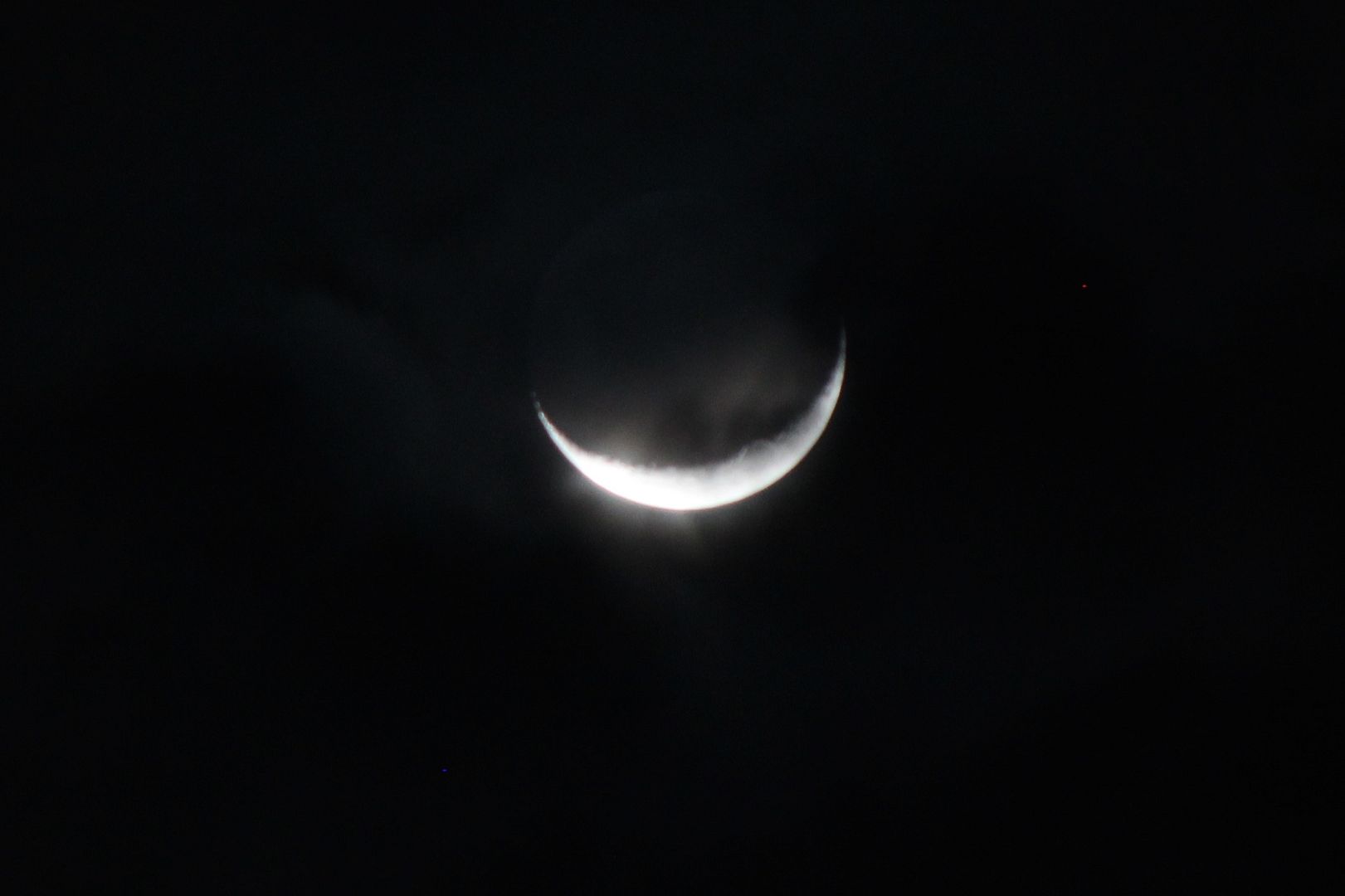
Crescent Moon With Clouds

I don't have anything special to say about this other than I think that this shot from a few nights ago looks interesting.

Friday, December 25, 2015

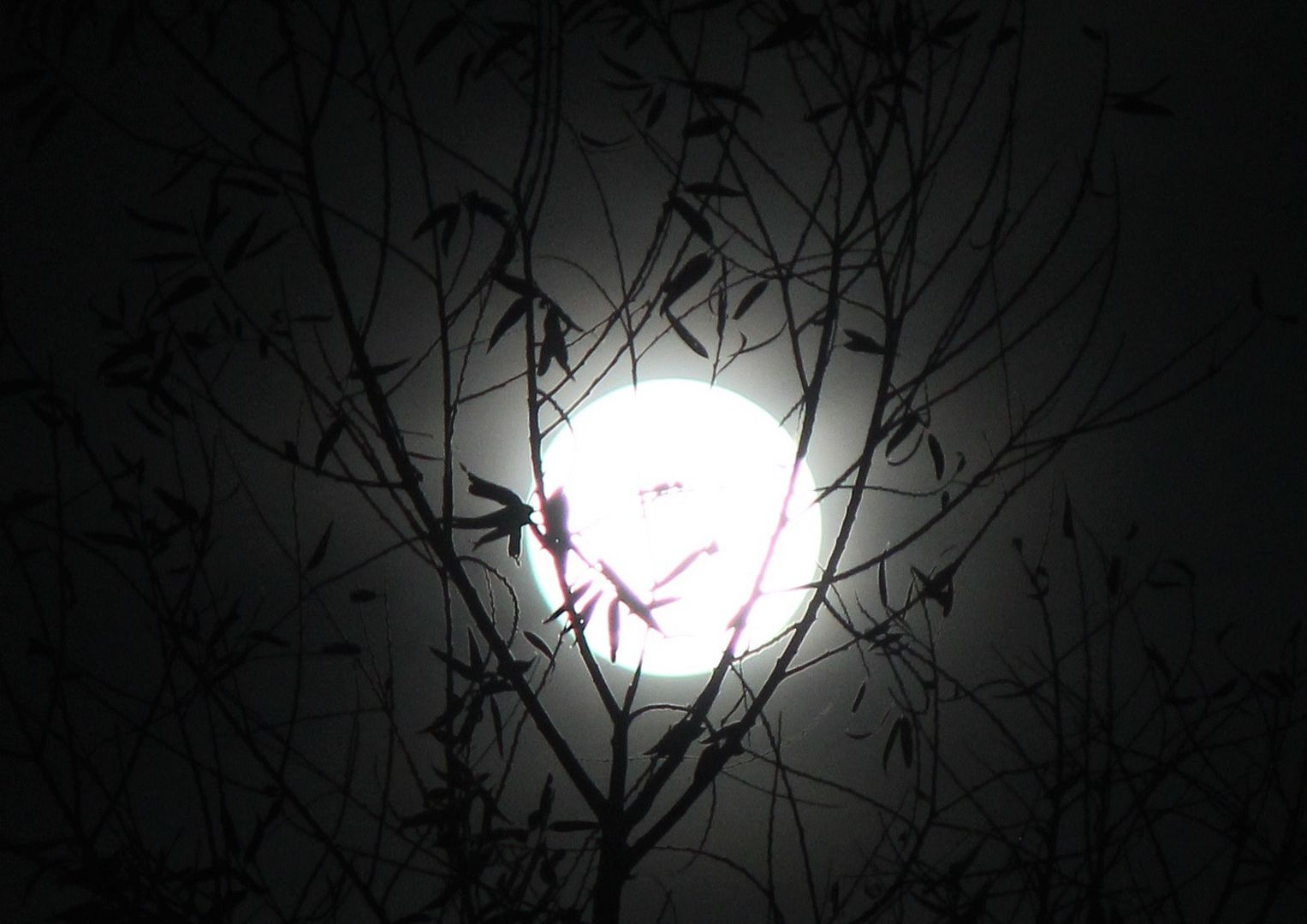
Last Night's Christmas Eve Moon

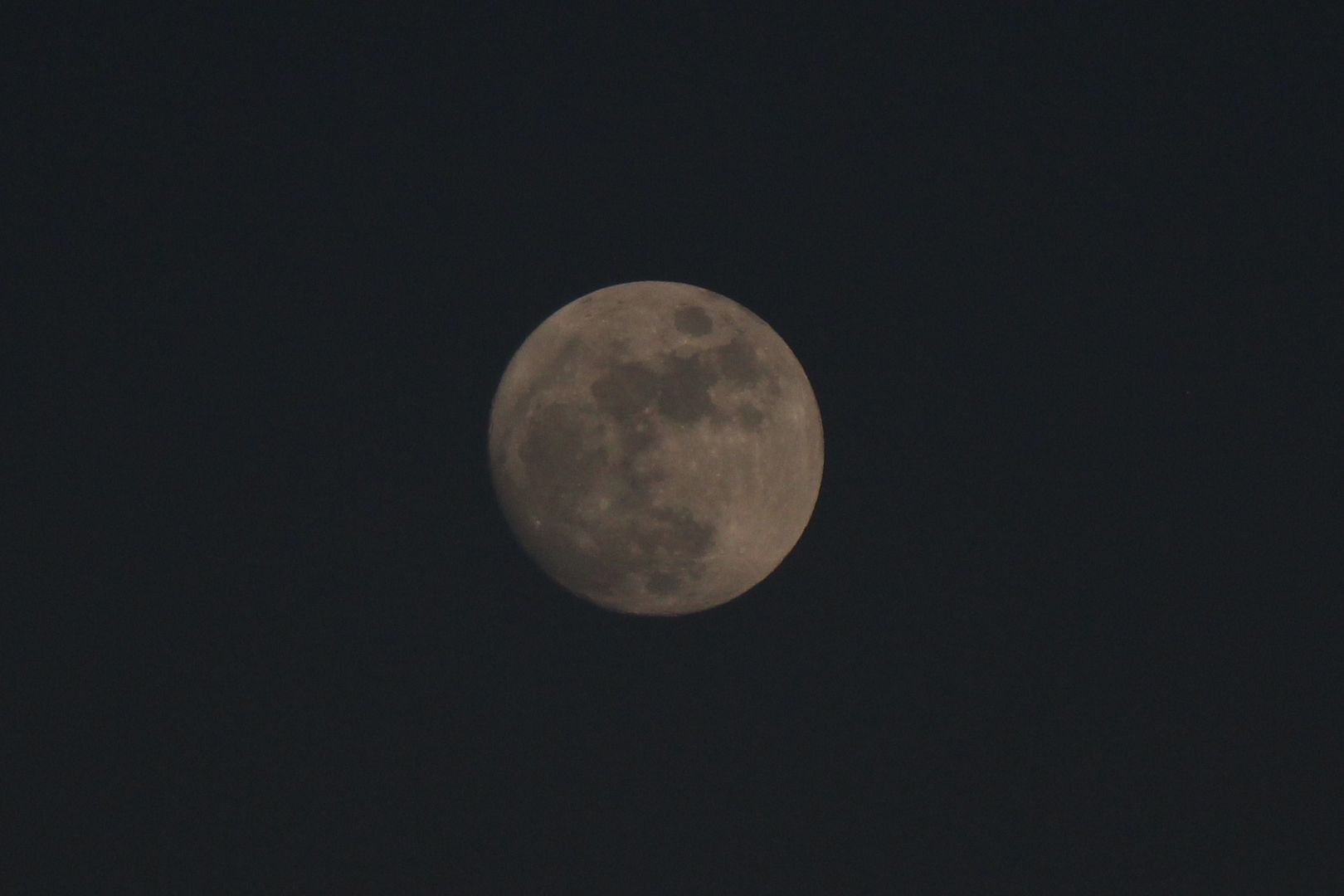
Here's an admittedly overexposed shot I captured last night of the Christmas Eve Moon as it was rising out of the trees.
There's been a lot of chatter on the Internet about how special it is to have a full moon at Christmas. Well, maybe so, but the Moon is full every 29.5 days, so its gonna fall on holidays from time to time.

If you are looking to find out what the Moon will be doing in the coming year, look no further than Fred Espenak's Moon in 2016 blog post at it has got everything you might want to know.

Happy Holidays!

Saturday, November 7, 2015

Today's Moon and Planets

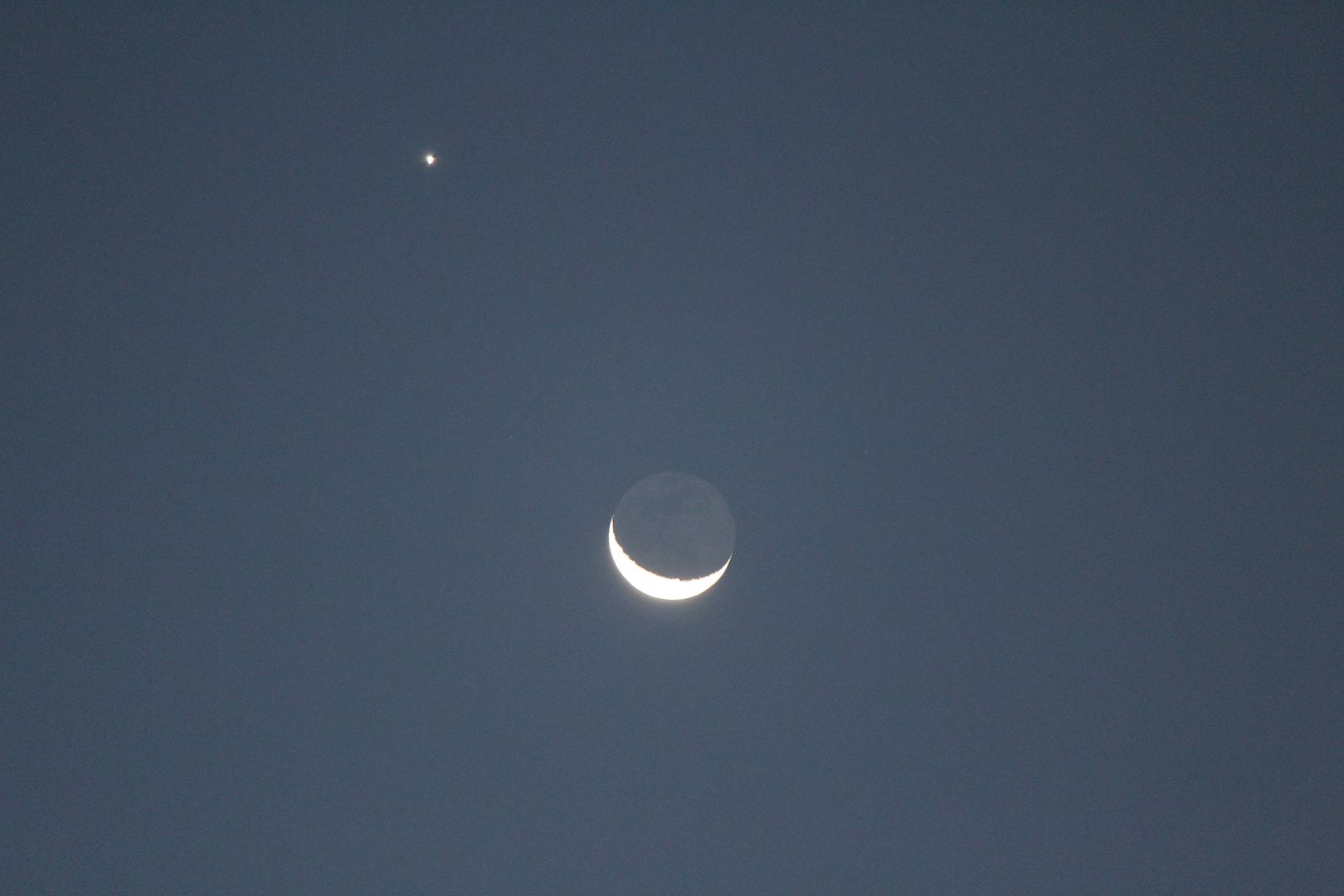
The planetary conjunction continues and the Moon was again a part of the show today. Here's how the Moon and Venus looked this morning:
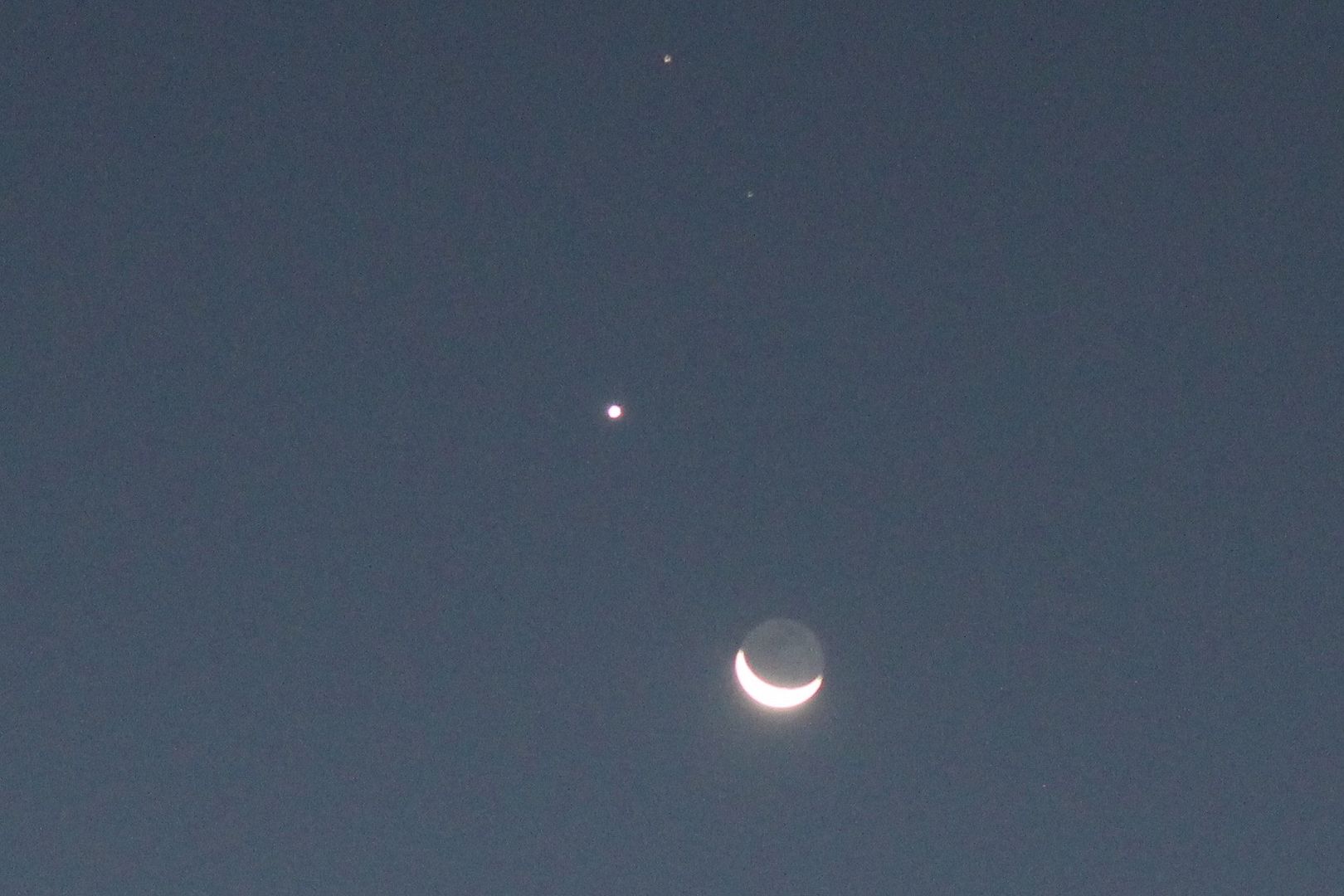
And here's a wider shot that also includes Mars (at the top):
Jupiter is still out there too, I just didn't capture a shot wide enough today to include it as well. The Moon will still be in the sky tomorrow morning, but will have moved away from the grouping of planets though.
Friday, November 6, 2015

The Moon with 3 Planets

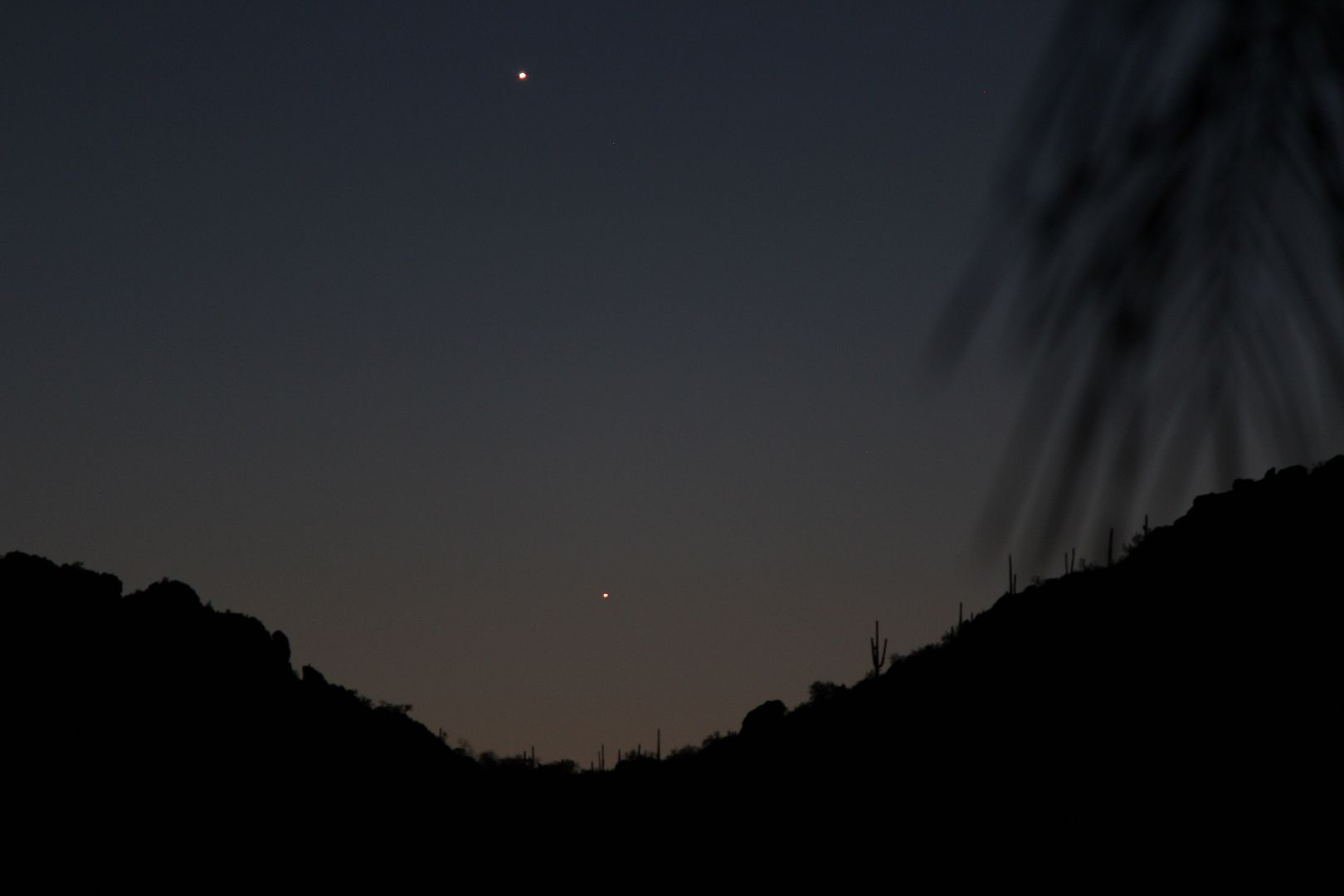
The planetary show continues in the predawn sky. This morning the Moon joined the conjunction of Venus, Mars and Jupiter. Here's how the crescent Moon looked alongside of Jupiter:
A wider view takes in the whole show:
Look for the Moon to be nearer to Venus tomorrow (Saturday) morning - a sight that's worth getting up early to see.

Monday, September 28, 2015

Lunar Eclipse 2.0

We had a wonderful sky show last night. Was it a Super Moon? A Blood Moon? Nah, it was just your basic (but quite beautiful) total lunar eclipse. Our second of 2015. I enjoyed the event with a bunch of college astronomy students and members of the general public at an observing session last night.
Way out west here in California (where I now reside) the eclipse had already begun at moonrise. It was a nice sight seeing the Moon rise in the east already partially eclipsed, but the real show began as darkness fell and the Moon advanced further into Earth's shadow.
Here it is, nearly total, through a thin layer of cirrus clouds.
Ah, totality.

Here are some people in silhouette seen against the city lights of San Marcos and Vista. Their glow illuminates the cirrus clouds. The Big Dipper can be seen through the clouds. With all this this light pollution it is hard to imagine that the Milky Way was visible from our observing site, but it was.

Saturday, July 18, 2015

More from Pluto & Last Night's Moon and Planets

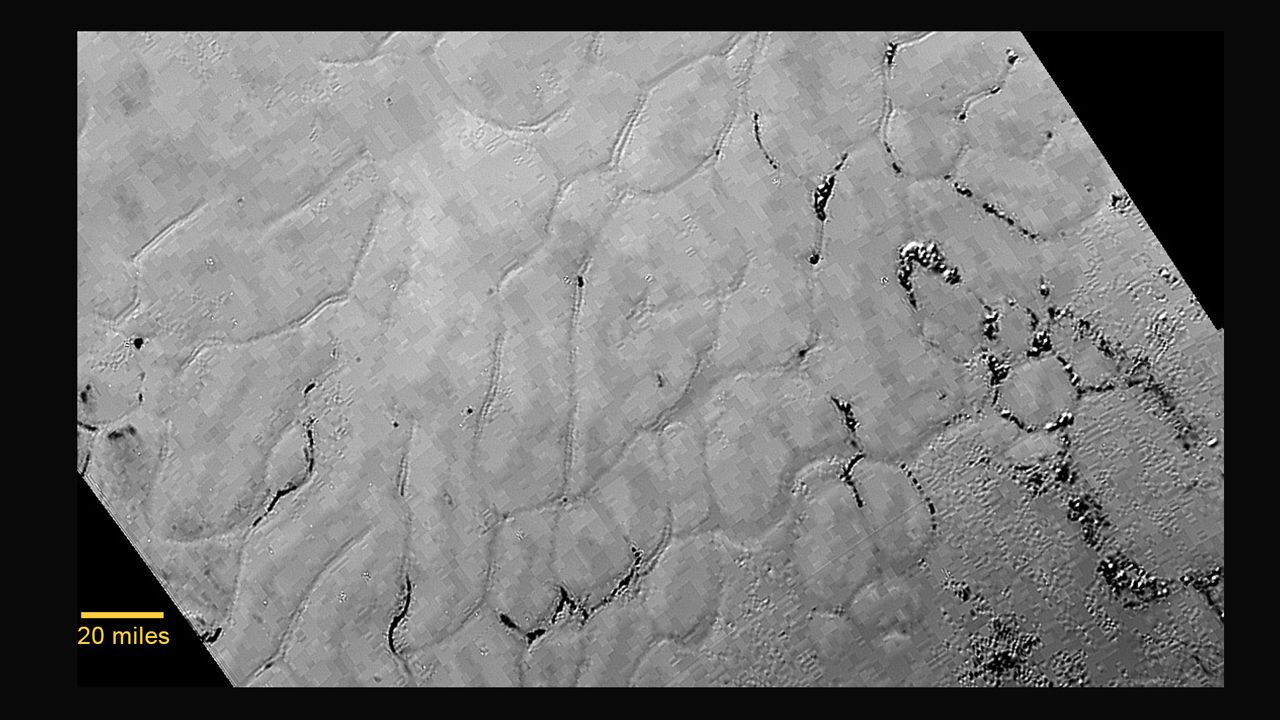
The early returns from the New Horizons flyby of Pluto have been amazing.
Only a tiny percentage of the data has been returned so far (it will be many months before it's all in), but Pluto is being revealed to be a remarkable world. The images so far indicate a nearly total lack of impact craters, suggesting that Pluto is an active world. There currently is much speculation as to what forms that activity takes (geysers, ice volcanoes, other things), but there's no consensus of any kind yet.

More images are expected to be released on July 24th, so stay tuned for them.

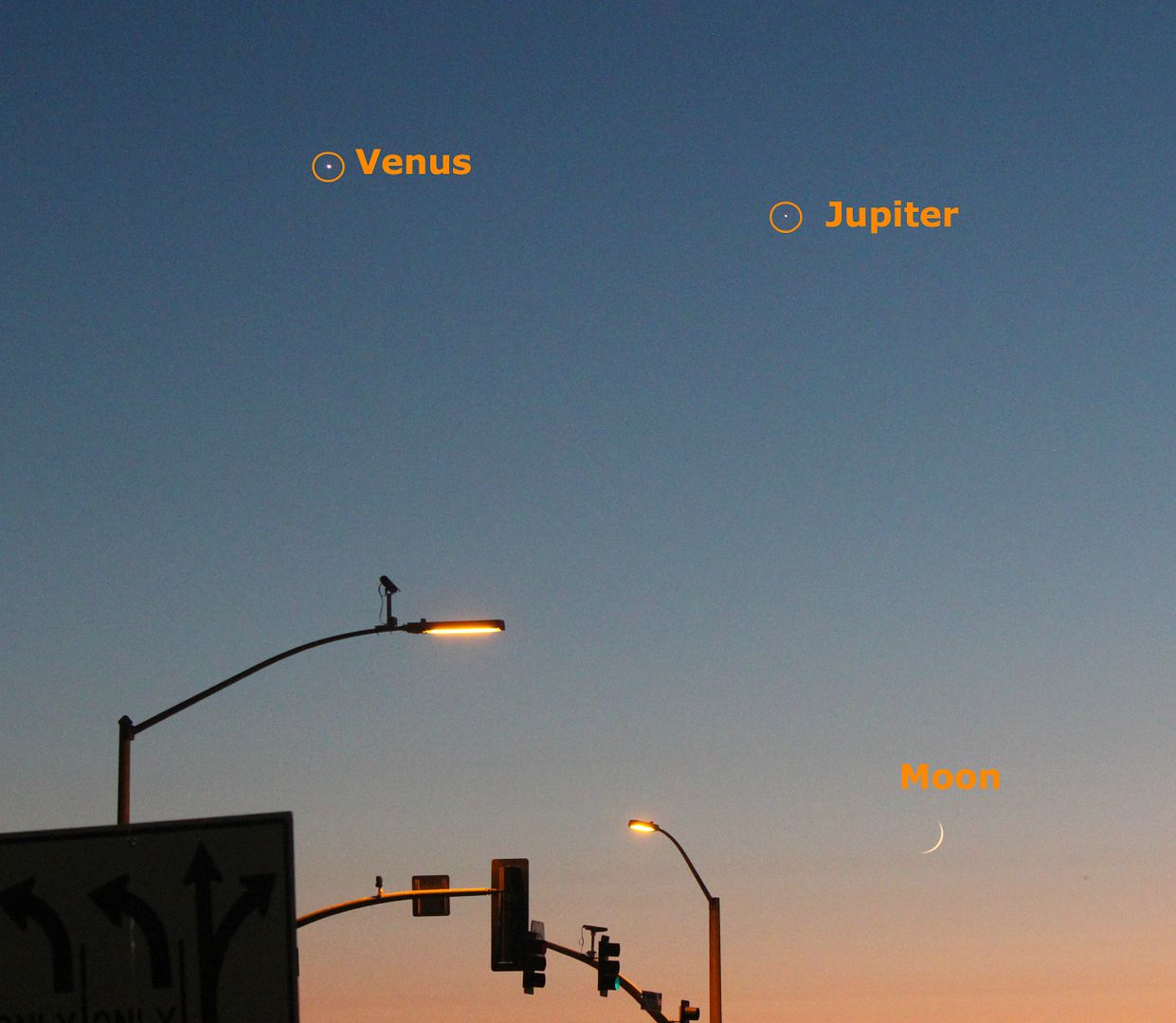
There's a planetary show of another kind still going on out west in the evening skies. Venus and Jupiter are still relatively close together and tonight (Saturday, July 18th) the moon will be especially close to Venus.
Here's how the scene looked last night, with the thin crescent moon well below Venus and Jupiter. By tonight the moon will have moved close to Venus and should look very nice. If you've got clear skies be sure to go out and look for them tonight as it gets dark.
A closer look at last night's moon.

Tuesday, June 30, 2015

Conjunction!

Jupiter and Venus are at it again.
Tonight is their closest approach in our skies. I returned to the same palm as last night so as to take a comparison shot.
To give you a sense of just how close the two planets are together, I also took photos of moon and the planetary pair fully zoomed and then added the images together. Here's the result:
Because their brightnesses are so different the exposure for the moon was 1/10 that of the shot of Venus and Jupiter.

The planets will still be close for the next few evenings, but they are already pulling apart. Still, if you missed it tonight, it is still worth looking at.

Saturday, April 4, 2015

Lunar Eclipse

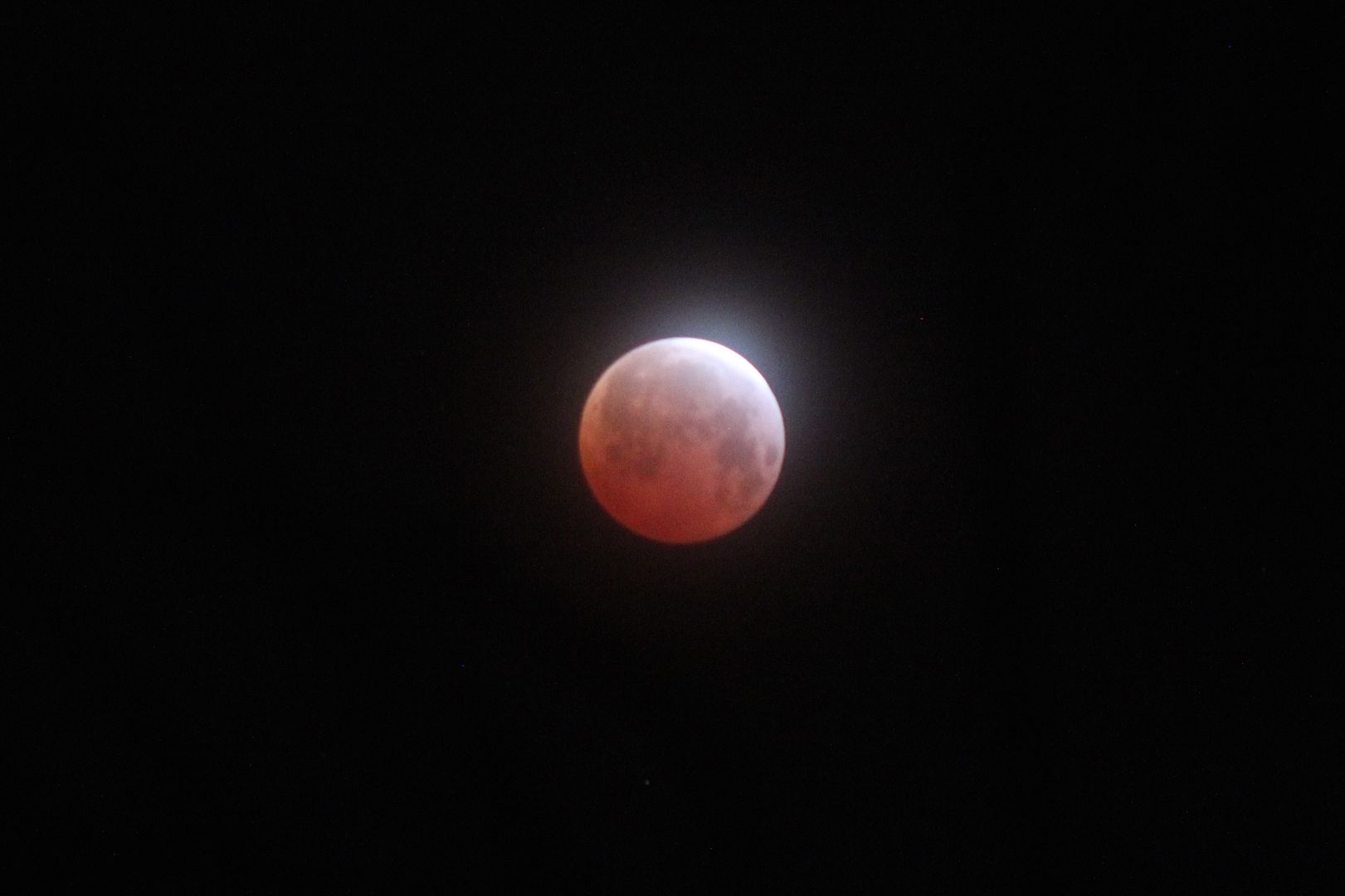
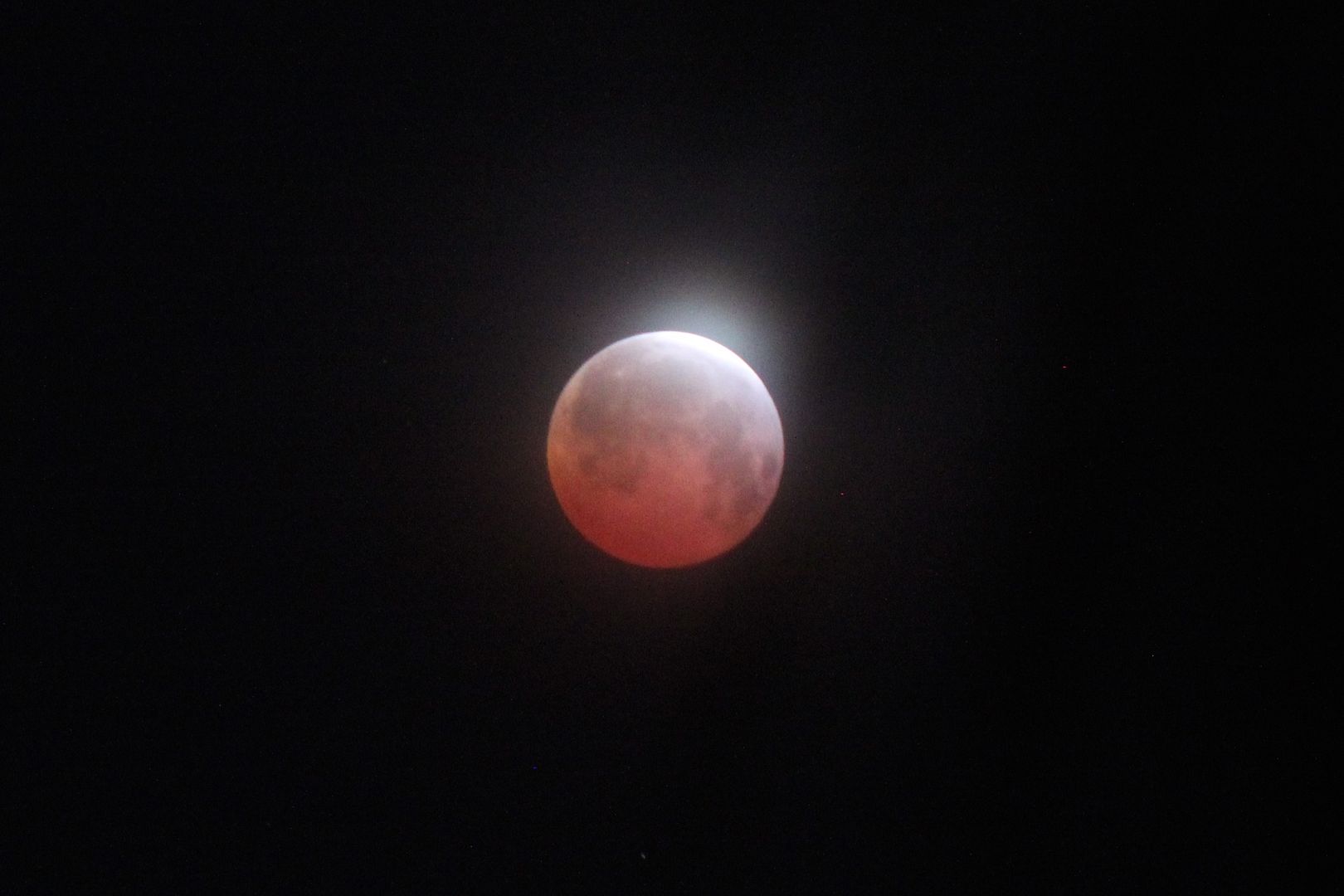
This morning was the third in a series of recent lunar eclipses visible from North America. The first was April 15, 2014 and the second October 8, 2014. I missed the first two completely. I was on travel for the first attending a sea turtle symposium in New Orleans where it was rainy and cloudy. I was home for the second one, but it was uncharacteristically cloudy in Tucson, so no eclipse.
Yesterday afternoon and evening I was pretty worried about this one as the skies were cloudy. It made for a nice sunset, but would they blot out the eclipse? Thankfully, no.
Canon T31, 250mm lens (cropped), 1.6 sec., f/4 ISO 3200
There were clouds, but not enough to eclipse the eclipse.

During a total lunar eclipse the moon moves into Earth's shadow. This particular eclipse was just barely total and it didn't look completely total, with there being a bright area visible the whole time.
Canon T31, 250mm lens (cropped), 2 sec., f/4 ISO 3200
Still, it was a nice show. If you missed it, there's one more total lunar eclipse in this series. It will be on September 27, 2015.

Sunday, March 22, 2015

Moon & Venus: Together Again

The moon and Venus certainly made for a lovely pair this afternoon & evening.
Can you spot Venus in the daytime shot above? It's the dot over in the clear area on the right.
Once it started to get dark, the two put on a nice show, even through the cirrus clouds.

Saturday, February 21, 2015

Venus and Mars Are Alright Tonight

Venus and Mars have been putting on a fine show in the western sky after sunset. Last night the moon joined the planetary duo in, from the photos I've seen, a beautiful gathering. Alas, it was cloudy here in Tucson.

Tonight the moon had moved on but Venus and Mars were super close, just 0.4 of a degree apart in the sky. Alas, we had clouds again, but not quite enough to completely foil the view.
The Moon made its appearance first, largely hidden by the veil of the clouds. 
Occasionally, the clouds parted enough to let me almost get a clear shot at the moon. 
 For most of the evening Venus and Mars were completely obscured by the clouds, but as they got lower in the sky, they dropped below the cloud deck and popped into view. That's Venus on the left and much fainter Mars to the right. Venus is almost 100 times brighter than Mars. 

Why so bright? Three reasons - Venus is closer, larger and more reflective (it's surrounded by white clouds). 

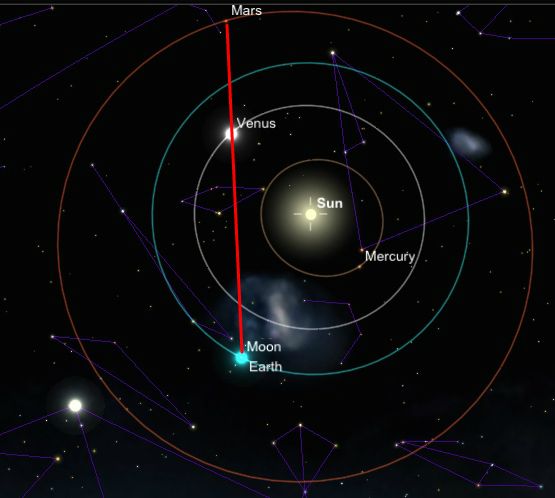
You might wonder how and inner planet (Venus) and an outer planet (Mars) could be so close together in the sky. At first thought it feels like one should look in different directions to see them, but that obviously wasn't the case tonight.
A screen grab (above) from the SkySafari app shows how this can be (I added the red line). Looking inward from Earth you can tell that, even though Mars is an outer planet, it is in essentially the same direction as Venus. Earth, Venus and Mars make a straight line. So, when we look from Earth, we see Venus and Mars close together. As the nights move on, they'll gradually move apart in the sky, with Mars gradually sinking lower into the west each night until it is eventually lost from view.

Wednesday, January 21, 2015

A Nice Sunrise & A Gathering of Worlds

We had a pretty fantastic sunrise this morning. Alas, I had to drive to work during its peak. Still, it wasn't too bad beforehand.
The clouds were gone by sunset, opening up the sky for a nice gathering of Venus, Mercury and the Moon.
Alas, Mercury was lost in my neighbor's palm tree, but Venus (left) and the crescent moon looked pretty nice. Here's a closeup of the moon, with just a bit of earthshine visible.
Seeing them was a nice way to begin the evening.

Saturday, January 3, 2015

Two Planets, the Moon and a Comet

There's a lot to see in the evening sky right now. Here are a few shots that I took this evening with my DSLR camera.
As long as your weather is clear you can't miss the nearly full moon, but the other objects are a bit harder to catch.
Venus and Mercury are making a nice pairing in the western sky. Look for them as soon as it gets dark. Venus is higher and brighter and is quite easy to see. Mercury is lower and dimmer. You'll need to look for it before it sets for the night. They'll be getting closer together over the course of the next week. Take a look from night to night and you'll be able to see them pull together.
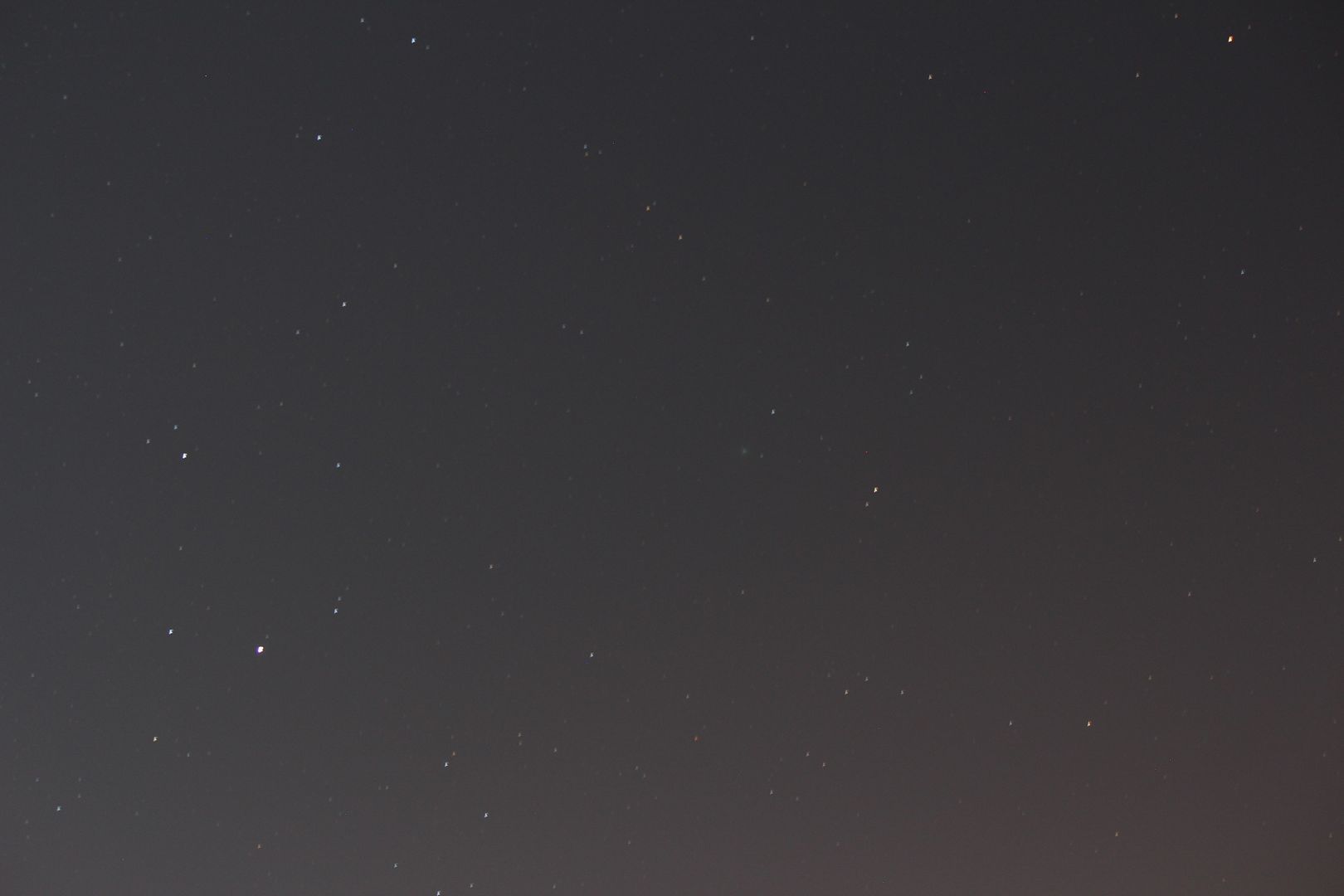
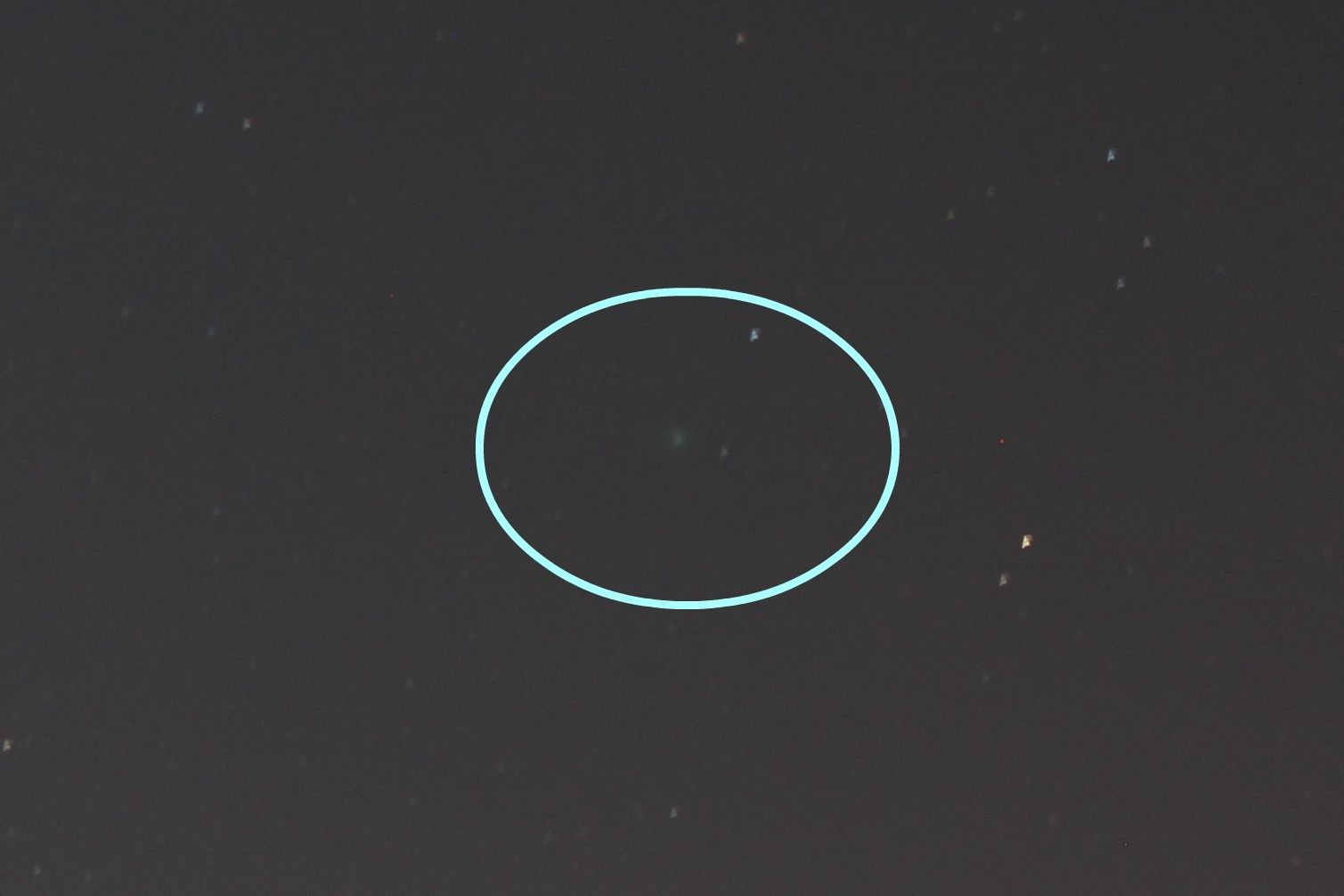
We've also got a comet in the evening sky right now too. Can you spot it in the photo above? Yeah, it doesn't leap out at you, but it is there.
This shot is cropped from the one above and Comet Lovejoy is the fuzzy spot in the oval. Even with a bright moon in the sky it isn't too hard to catch. Binoculars will help, but so will waiting a few nights. By Wednesday the comet will be a bit brighter and the glow of the moon will be out of the early evening sky. Look mid to later this week and it will be easier to find. You can get more info on Comet Lovejoy and a finder chart here.

Saturday, November 22, 2014

Recent Sky Shots

Hey, it's been a while since I've posted some photography here, as most of it has been going straight to my Instagram account. So if you like what you see here, you should totally follow me there.
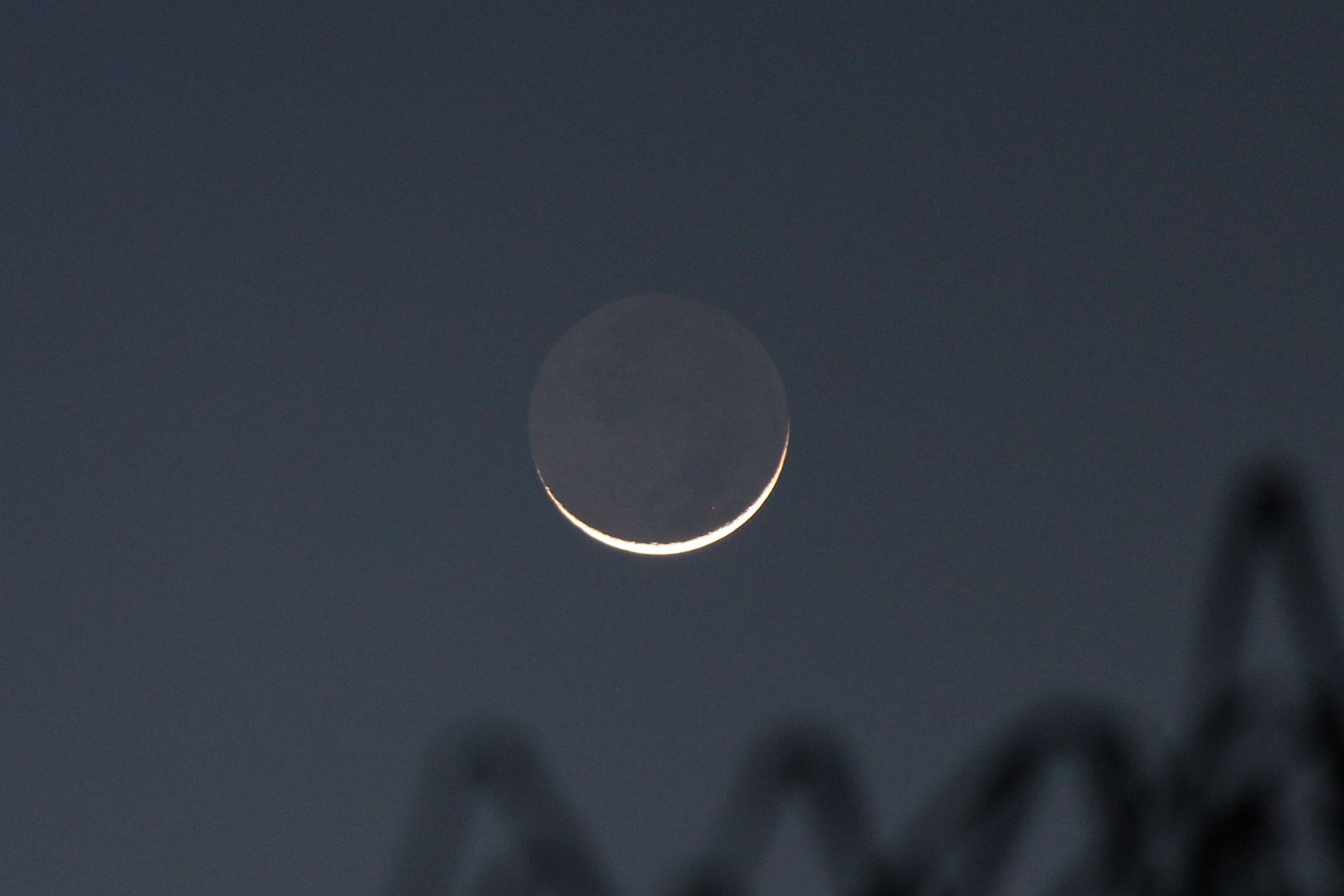
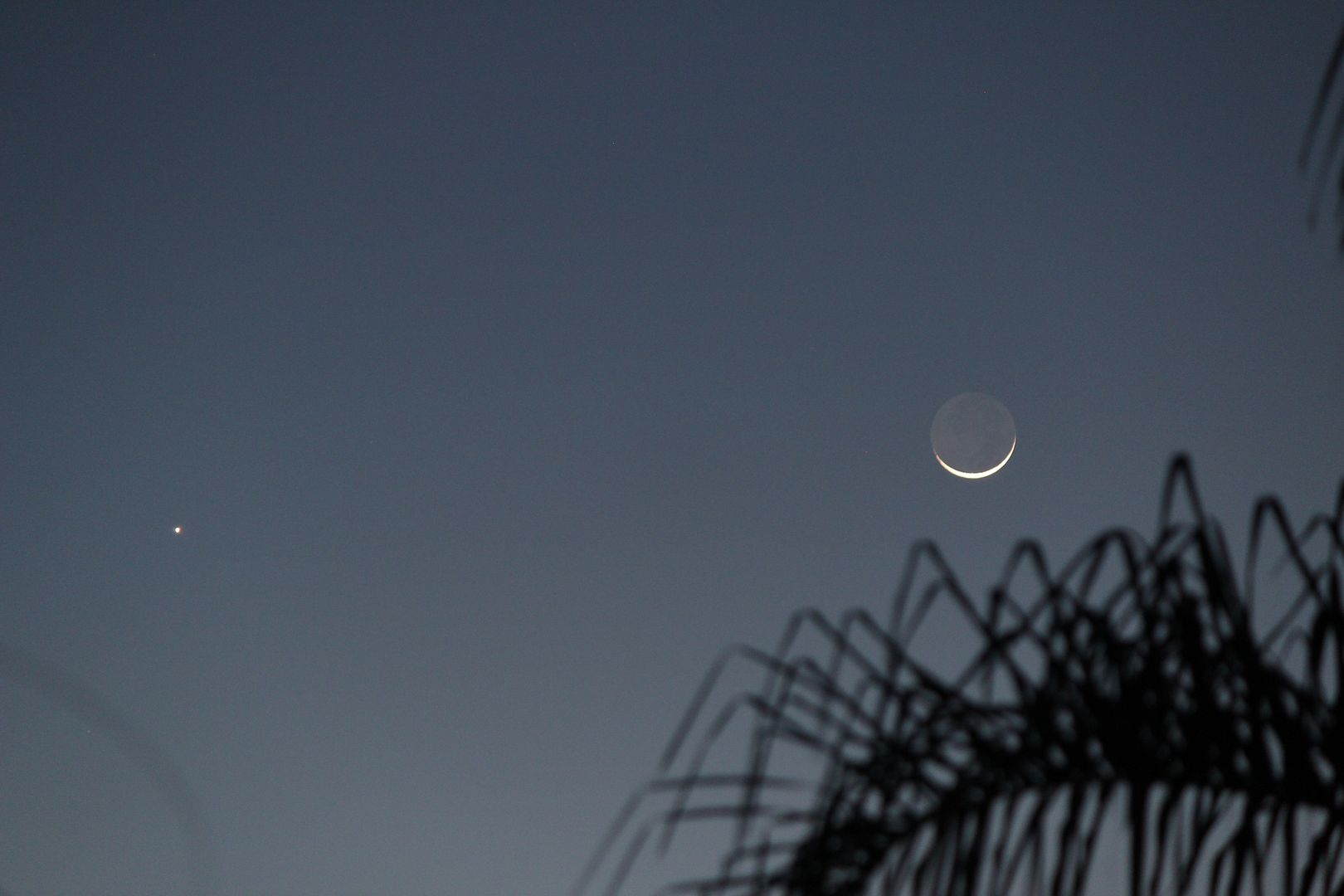
Thursday morning's crescent moon, complete with earthshine. 
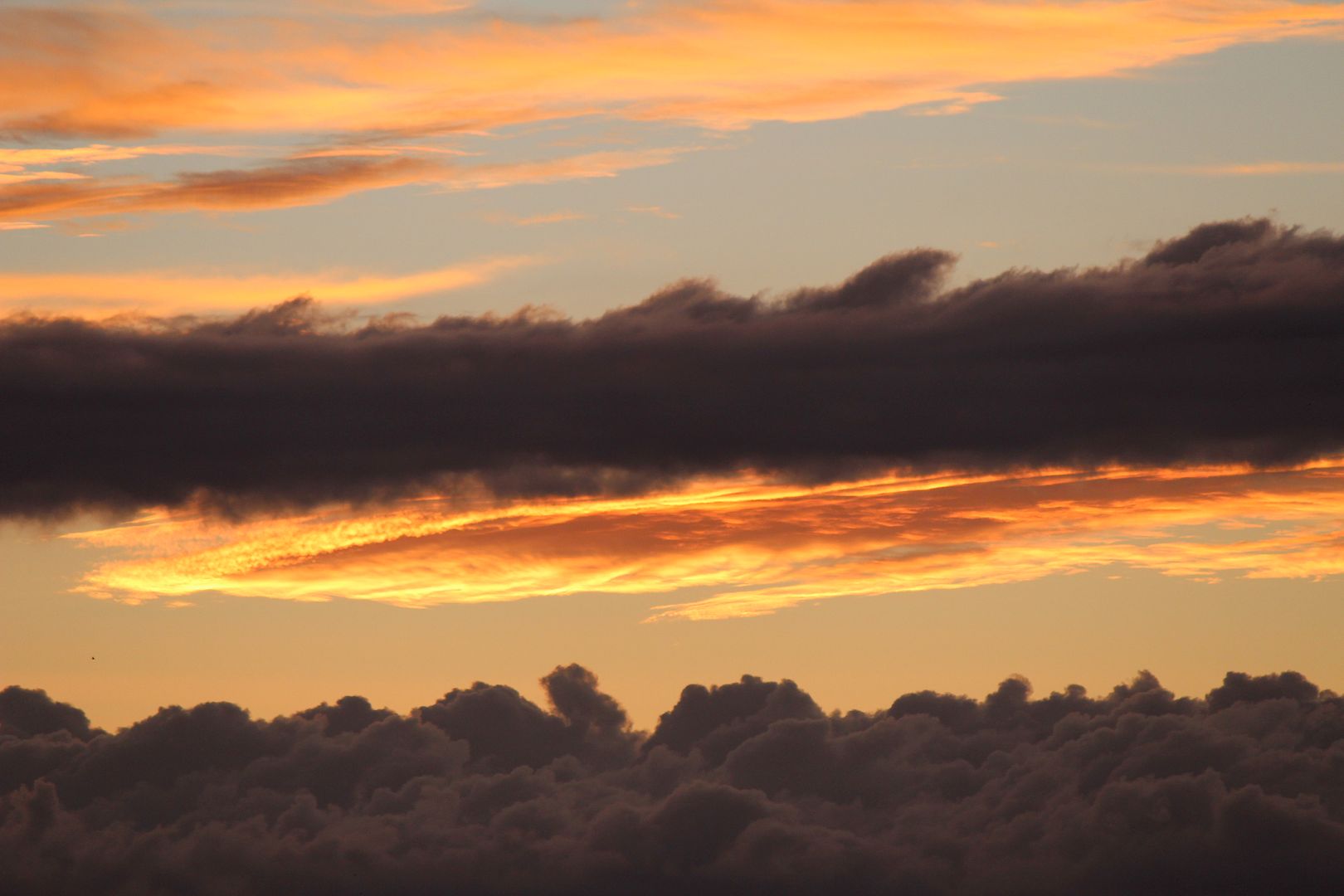
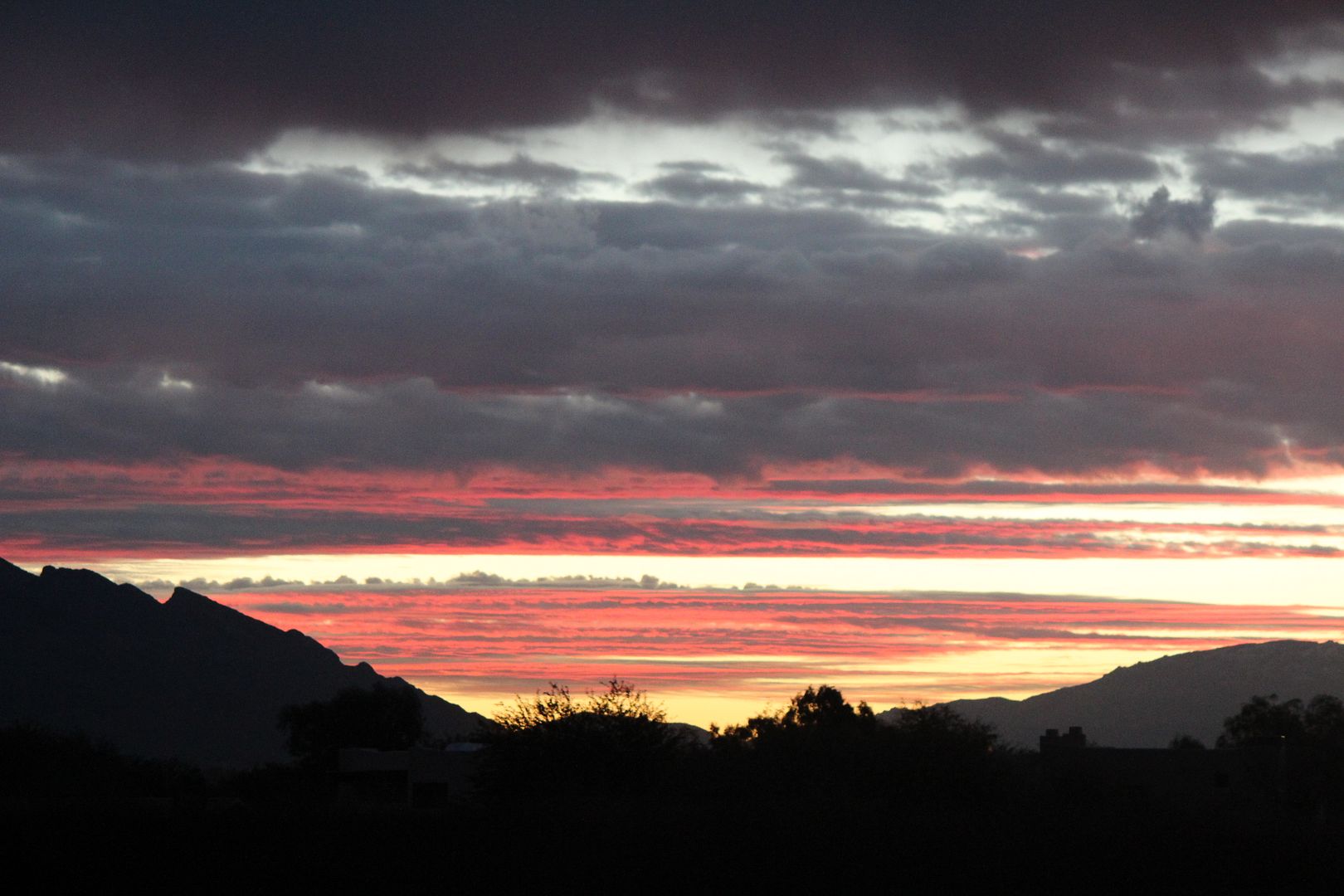
Here's a beautiful sunrise from November 14th with layers of clouds and sky.
Another sunrise pic with clouds and their shadows.

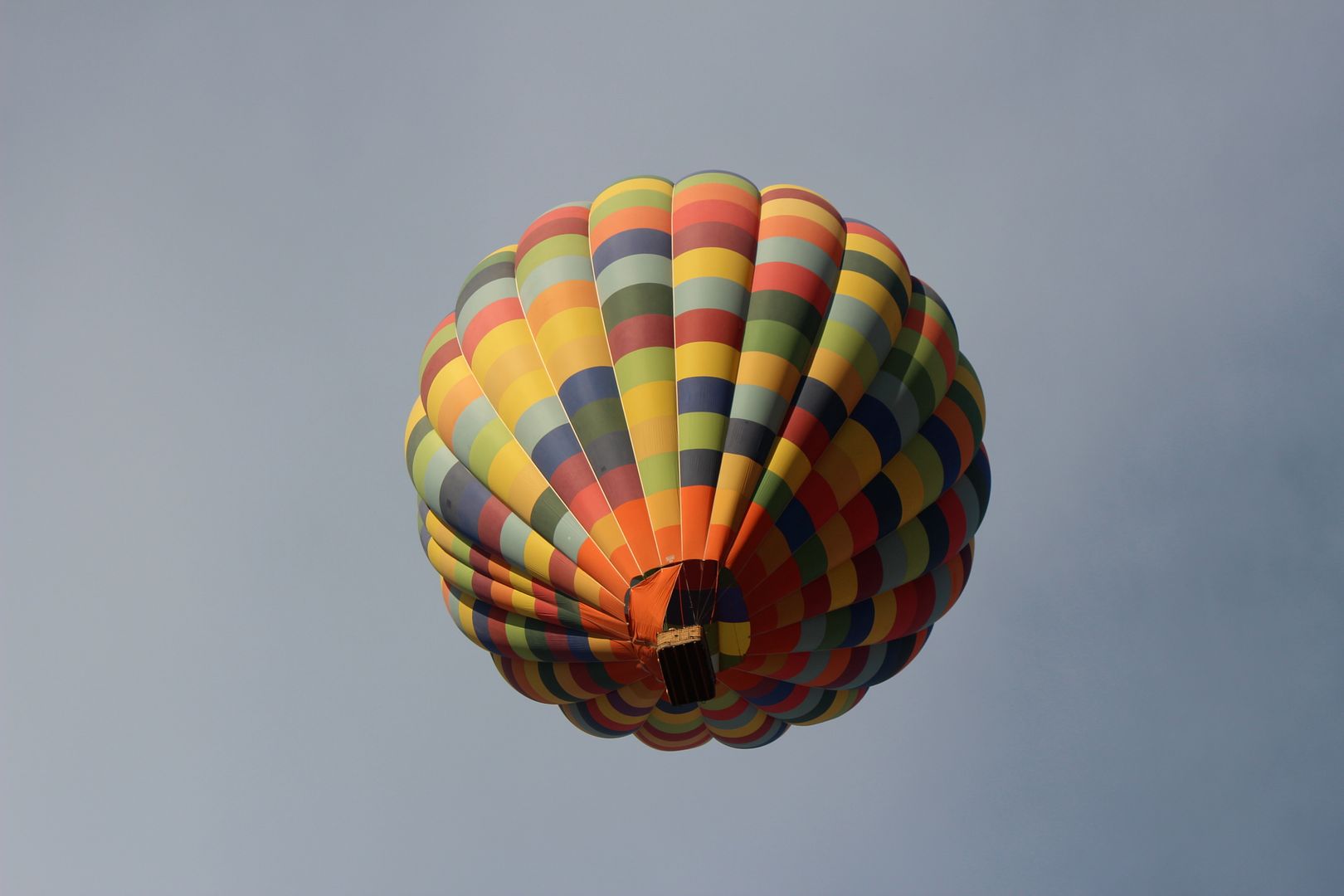
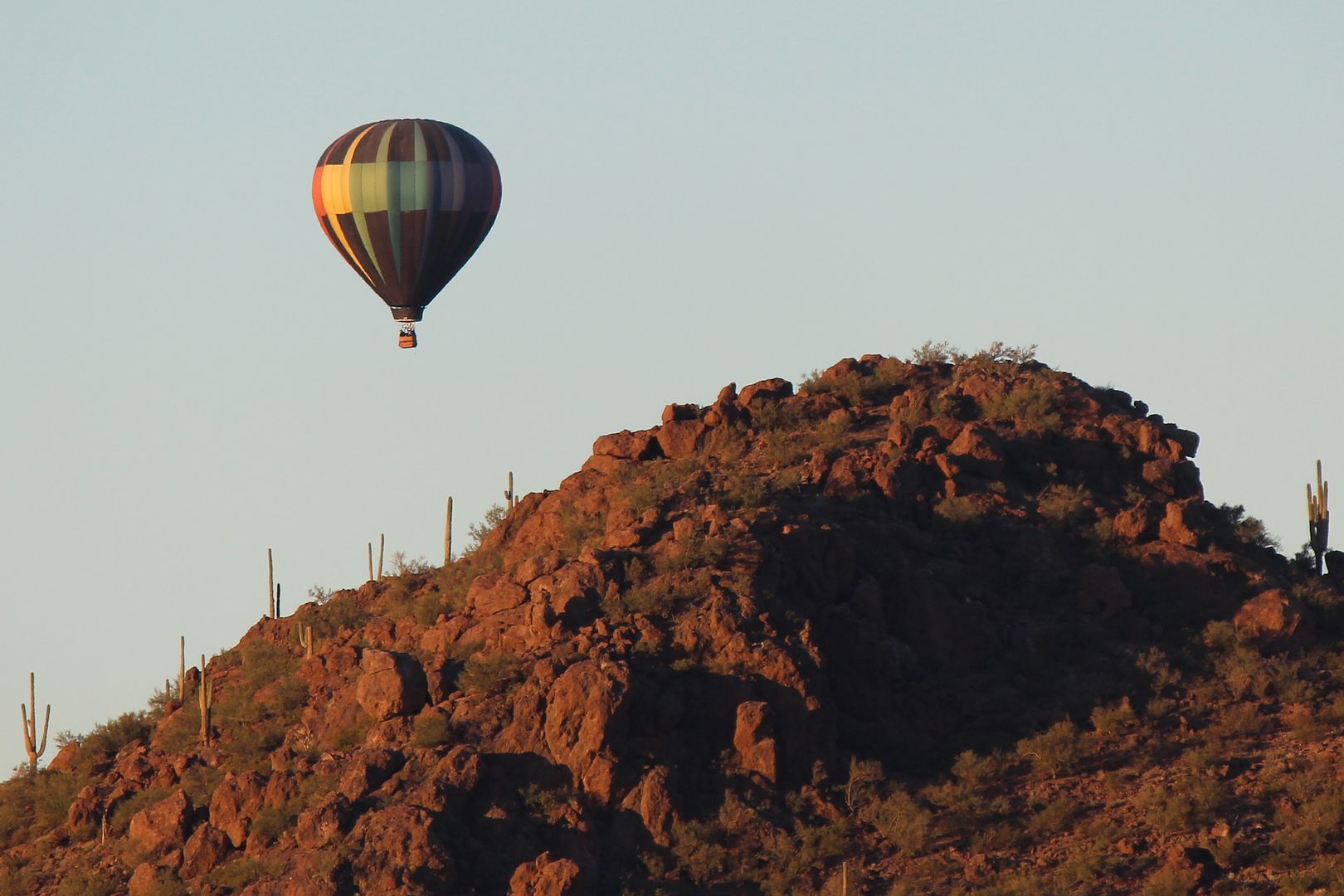
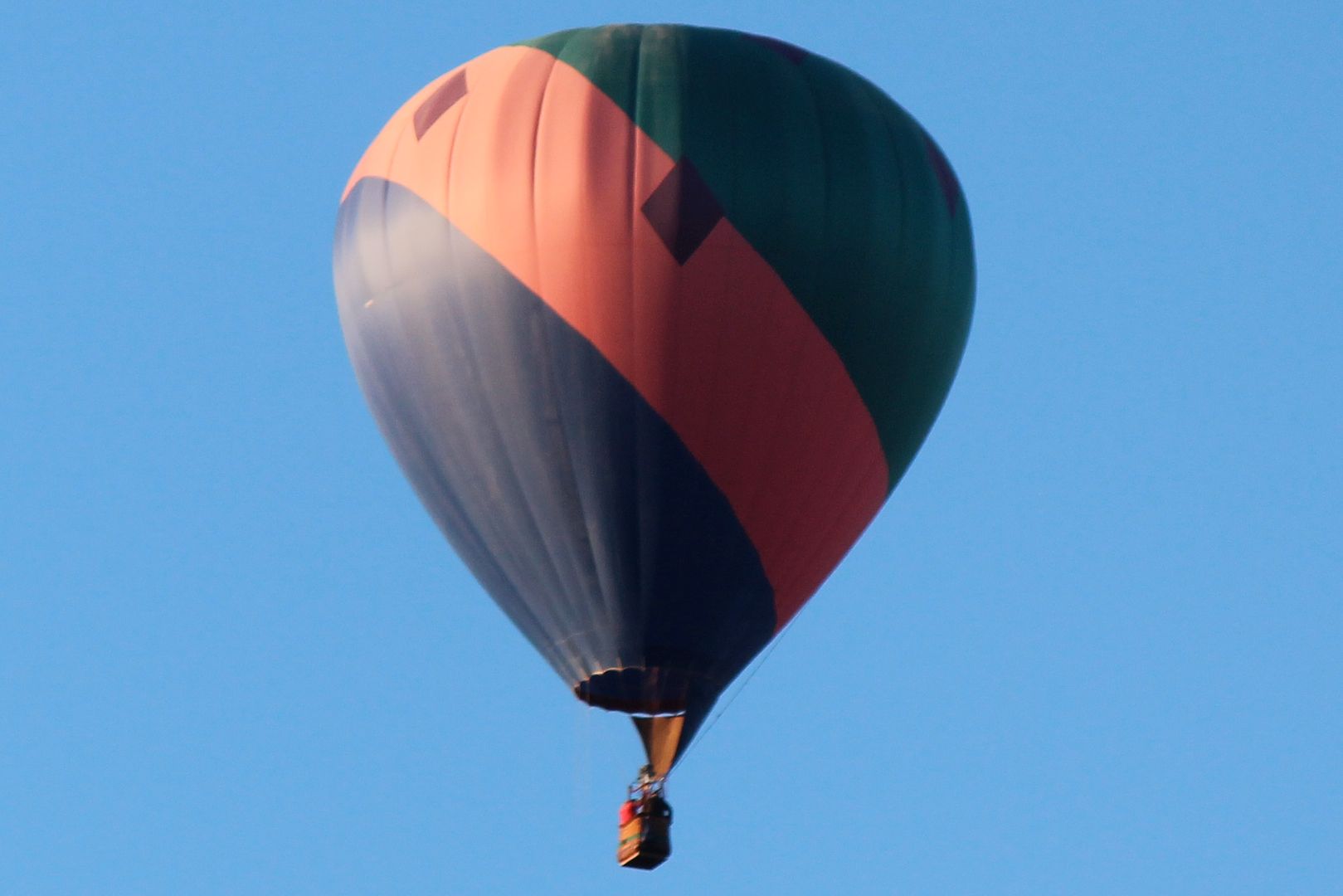
We've got cool mornings in Arizona now. That means that hot air balloon season is back. Here are a few captures from last weekend and this morning: